
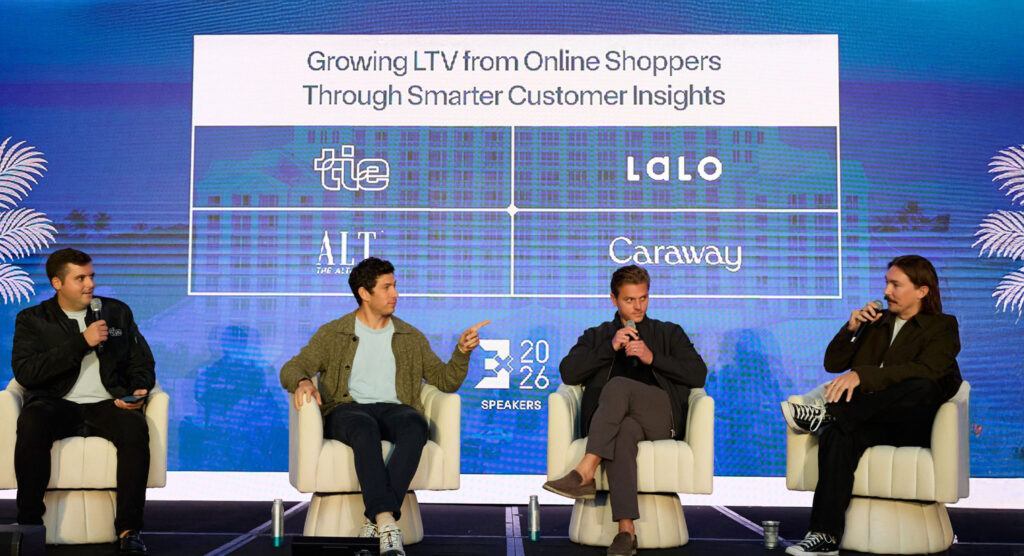

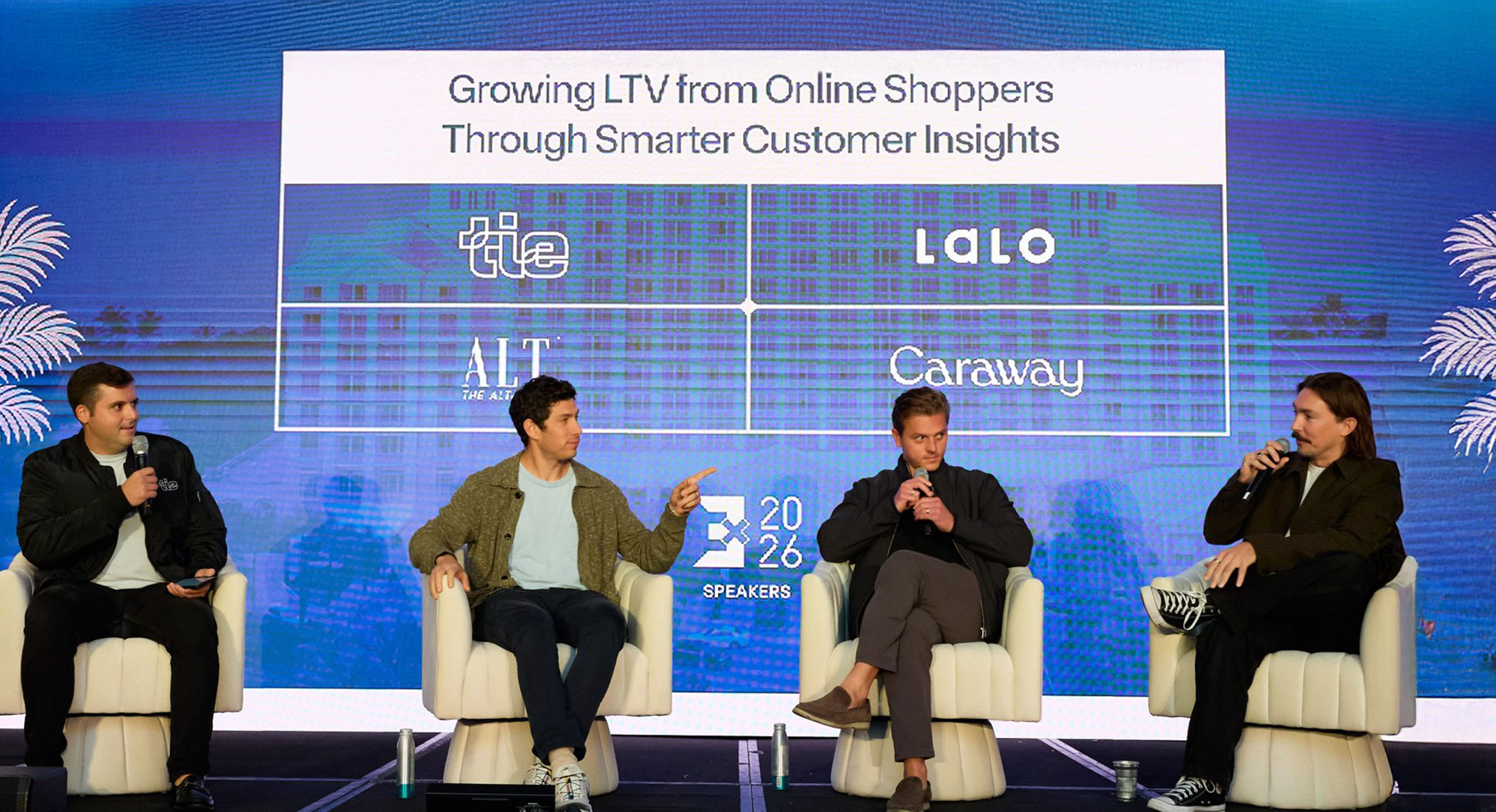
Growing LTV from Online Shoppers Through Smarter Customer Insights
At EEE Miami 2026, one theme kept surfacing across conversations, panels, and hallway chats: how do you grow lifetime value without constantly increasing acquisition spend?
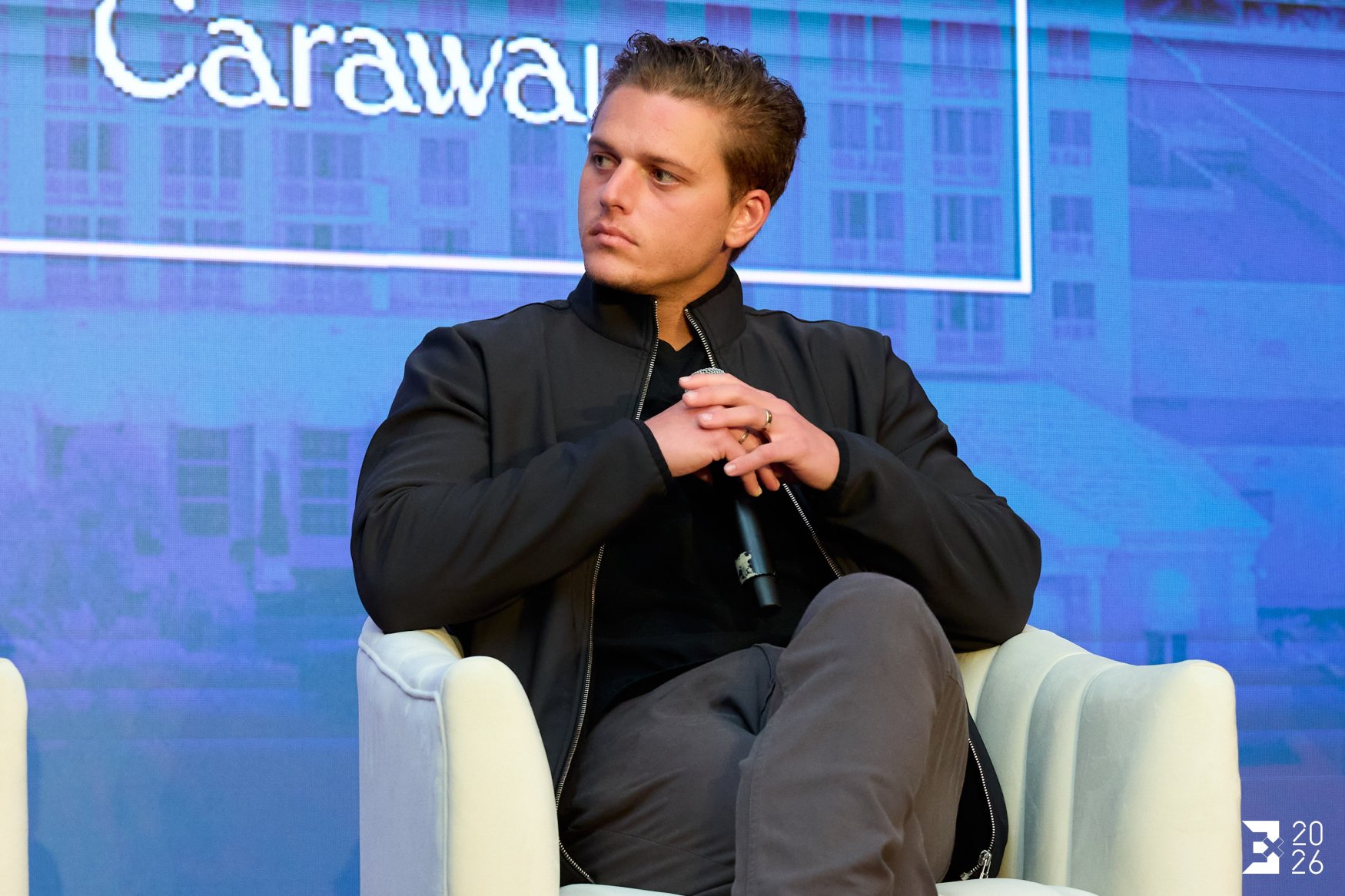
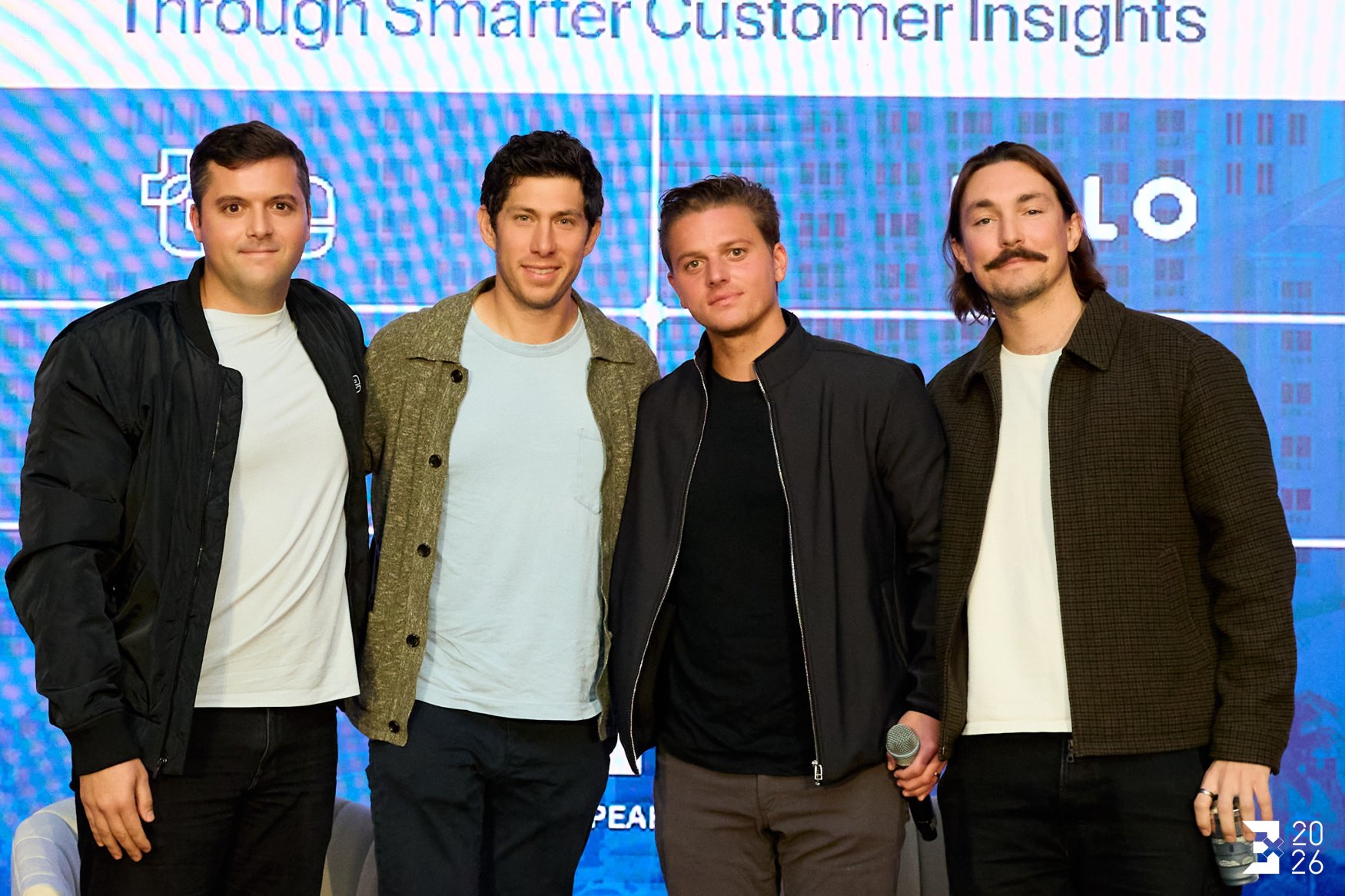
This panel brought together operators who are actually doing it at scale:
- Greg Davidson, Co-founder of Lalo
- Kyle Turadek, VP of Growth at Caraway Home
- Michael Saba, Founder of ALT Fragrances
- Mike Diesu, Co-founder of Tie
The goal wasn’t theory. It was simple: walk away with tactics you can actually implement.
Retention Isn’t Repeat Purchases. It’s Expansion
A big mindset shift came early in the discussion.
For brands like Caraway Home, retention isn’t about selling the same product again. Nobody needs a new pan every 90 days.
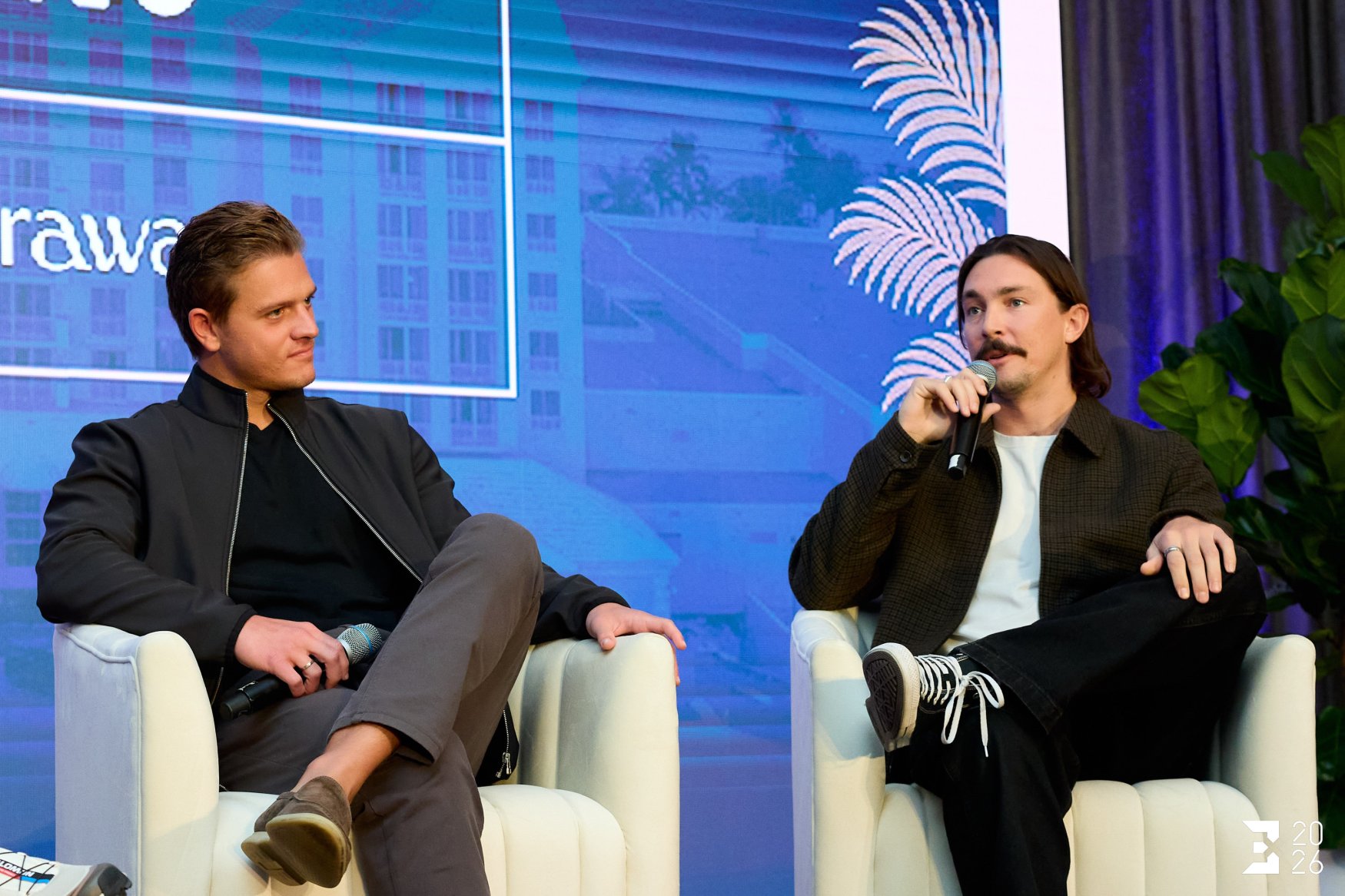
Instead, Kyle framed retention as category expansion:
- Acquire through a hero product
- Expand into adjacent categories
- Build a broader relationship over time
This turns LTV into a product journey, not a purchase loop.
Greg from Lalo described a similar idea using a “solar system” model:
- Core hero product at the center
- Accessories orbiting around it
- Customers naturally expand into the ecosystem
This is especially powerful when tied to life stages. In Lalo’s case, different parenting moments trigger different product needs, and timing becomes everything.
The Real Engine: Customer Insight
Everything in this conversation pointed back to one thing:
You can’t grow LTV without understanding who your customer actually is.
Not just:
- Email open rates
- Last purchase
But deeper signals:
- Intent level
- Price sensitivity
- Lifecycle stage
- Who they’re buying for (huge insight: up to 40–50% of purchases can be gifts )
That last point alone unlocks completely different funnels.
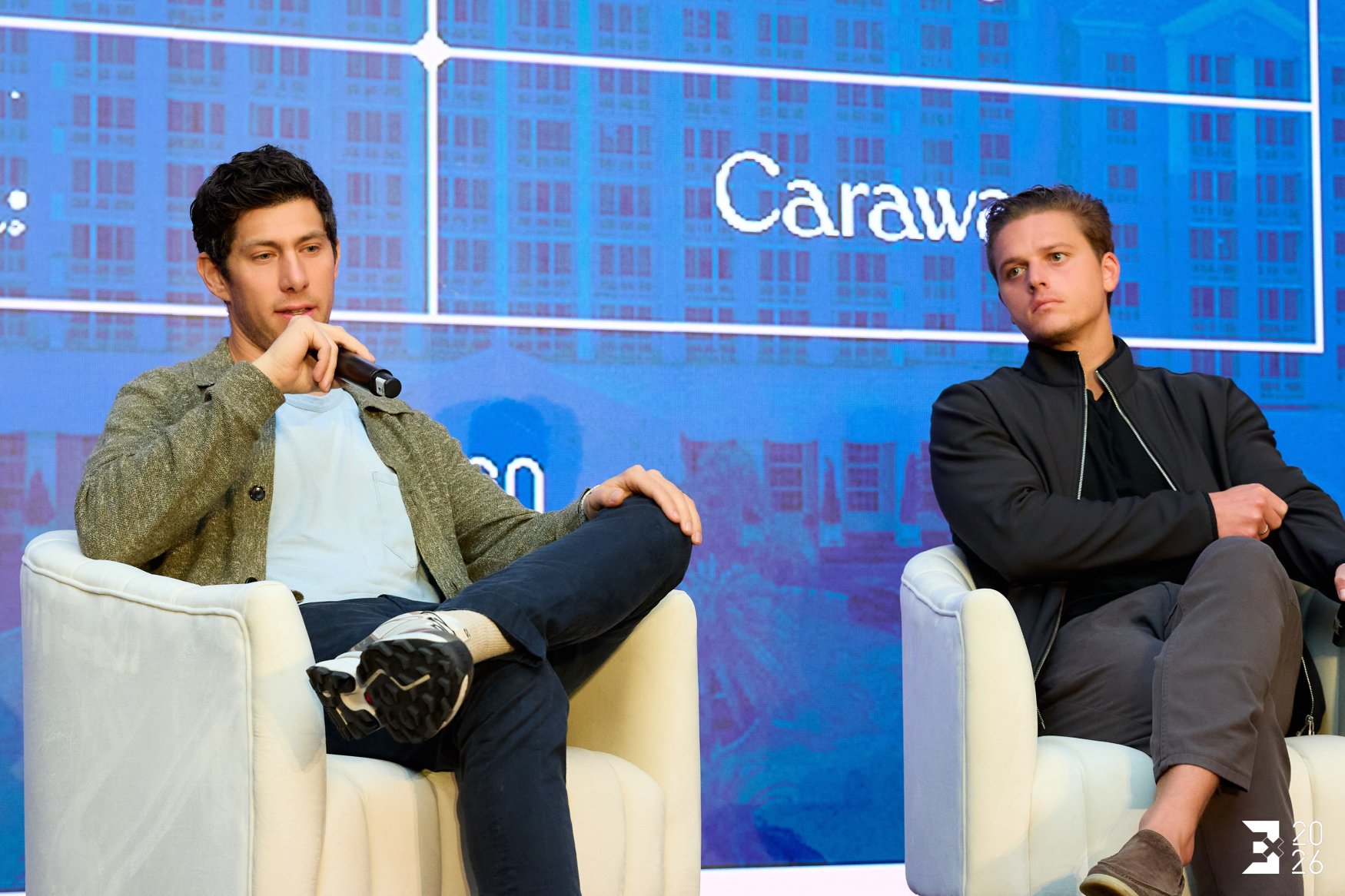
Example from Lalo:
- A grandparent behaves very differently than a new parent
- Higher AOV
- Different messaging
- Different product bundles
Same product. Completely different strategy.
Personalization Is No Longer Cosmetic
Let’s kill the old version of personalization.
This isn’t:
- “Hi [First Name]”
- Basic segmentation
What these brands are doing is true dynamic personalization.
At Caraway Home, personalization touches everything:
- Ads
- Landing pages
- Popups
- Homepage content
- Product recommendations
- Offers
Example:
- High-intent, high-income visitor → premium bundles, no discount
- Low-intent, price-sensitive visitor → entry product + promo
- Existing cookware buyer → only shown bakeware
No wasted impressions. No generic experience.
Every touchpoint answers one question:
“Why is this person here right now?”
The Hidden LTV Multiplier: Post-Purchase Signals
One of the most actionable takeaways came from Michael Saba.
His highest-performing segment?
👉 Customers who:
- Just purchased
- Left a 5-star review
That combination signals:
- High satisfaction
- High trust
- Immediate openness to buying again
From there, the strategy is simple:
- Introduce something new
- Guide them like a retail associate would
- Use taste-based data (e.g., scent profiles)
For a category like fragrance, where purchases are infrequent, this is how you compress the buying cycle and increase LTV.
Discounting Isn’t Dead. But It Has to Be Smarter
This was one of the most honest parts of the panel.
Everyone agreed:
- Discounts work
- Customers expect them
But blanket discounting?
That’s where LTV gets destroyed.
Instead, the shift is toward dynamic discounting:
- Only discount when needed
- Based on behavior, not assumptions
- Protect margin where possible
Key insight:
If someone was going to convert anyway, why give away margin?
At the same time, brands are leaning into perceived value instead of constant promos:
- Bundles
- Built-in savings
- “Everyday value” positioning
This creates conversion without training customers to wait for discounts.
What’s Changing in 2026/2027
The panel closed with what each brand is:
- Stopping
- Doubling down on
- Testing
1. What They’re Stopping
- Blanket discounts
- Generic email blasts
- Treating retention as post-purchase only
There’s a clear move away from volume-based marketing toward precision.
2. What They’re Doubling Down On
- Dynamic personalization
- Customer insight depth
- Brand building (especially upper funnel)
For Caraway Home, this means evolving from an “Instagram brand” into a true household name.
3. What They’re Testing
A big one across the board:
👉 TikTok Shop
Not necessarily as a profit center, but as:
- A content engine
- A customer acquisition channel
- A top-of-funnel driver
Many brands are treating it as break-even on purpose, knowing they’ll monetize later through:
- Retargeting
- Other channels
The Bigger Shift: From Campaigns to Systems
If there’s one underlying takeaway from this panel, it’s this:
LTV growth is no longer about better campaigns. It’s about better systems.
Systems that:
- Capture real customer signals
- Adapt in real time
- Personalize every touchpoint
- Expand relationships beyond one product
The brands winning in 2026 aren’t just marketing better.
They’re understanding better.
And that’s what turns one-time buyers into long-term customers.
If you want to watch the full session from EEE Miami 2026, you can check it out here:
https://eeemiami.com/video/growing-ltv-from-online-shoppers-through-smarter-customer-insights/

Promoted
EEE Miami 2027 – The Most Inspiring Ecommerce Conference
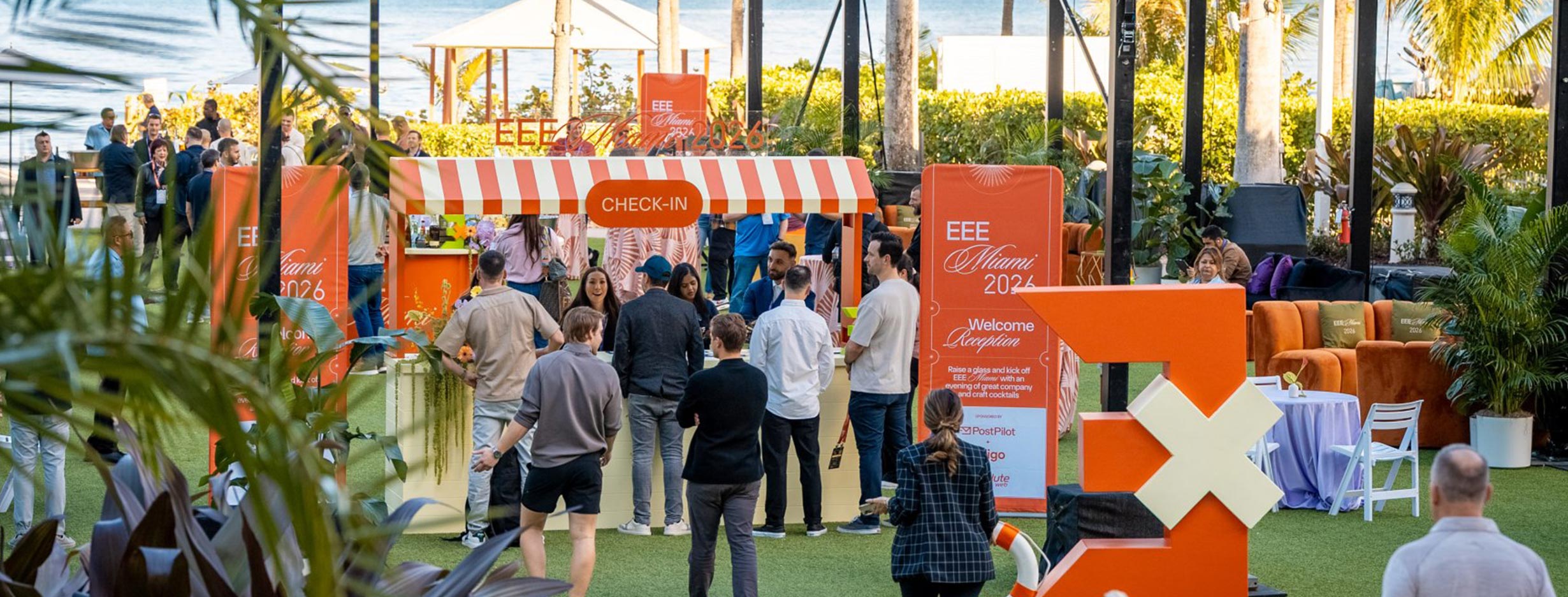
February 3-5, 2027 | Miami, FL
In-Person Event | Get Tickets

More Articles
DoorDash Launches Native Shopify Integration: What It Means for Local Retailers
DoorDash and Shopify are making it easier for local retailers to meet a growing customer expectation: getti...
Building Trust, Community & Emotional Loyalty in Digital Commerce
At EEE Miami 2026, one of the most refreshing conversations wasn’t about ad hacks, funnels, or scaling spen...
Shopify Spring 2026 Editions: What Ecommerce Brands Should Prioritize Next
Shopify’s Spring 2026 Editions is more than another product release. It is a clear signal of where ecommerc...
Supplement CRO: The 4-Pillar Testing Framework for Shopify Supplement Brands
Most supplement brands do not have a traffic problem. They have a conversion clarity problem. The category ...
The Future of Commerce: Human Creativity in an AI-Driven World
At EEE Miami 2026, one of the most practical and honest conversations around AI in ecommerce didn’t revolve...
Is Your Ecommerce Website Ready for AI Agents? The New Frontier of Ecommerce SEO
For years, ecommerce optimization focused on two audiences: humans and search engines. Today, there is a th...
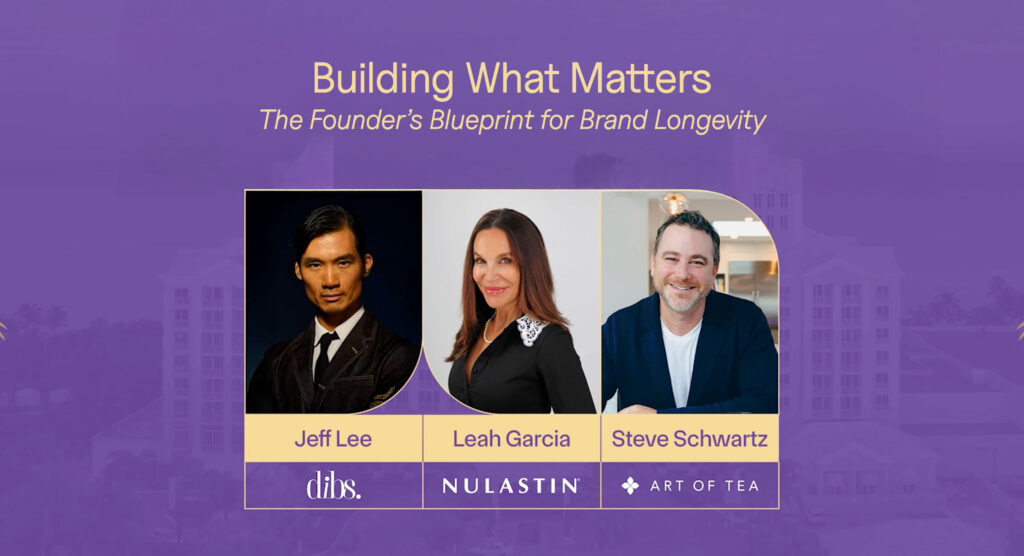
Building What Matters: The Founder’s Blueprint for Brand Longevity
In today’s ecommerce landscape, building a brand is easier than ever. Building one that lasts? That’s a com...
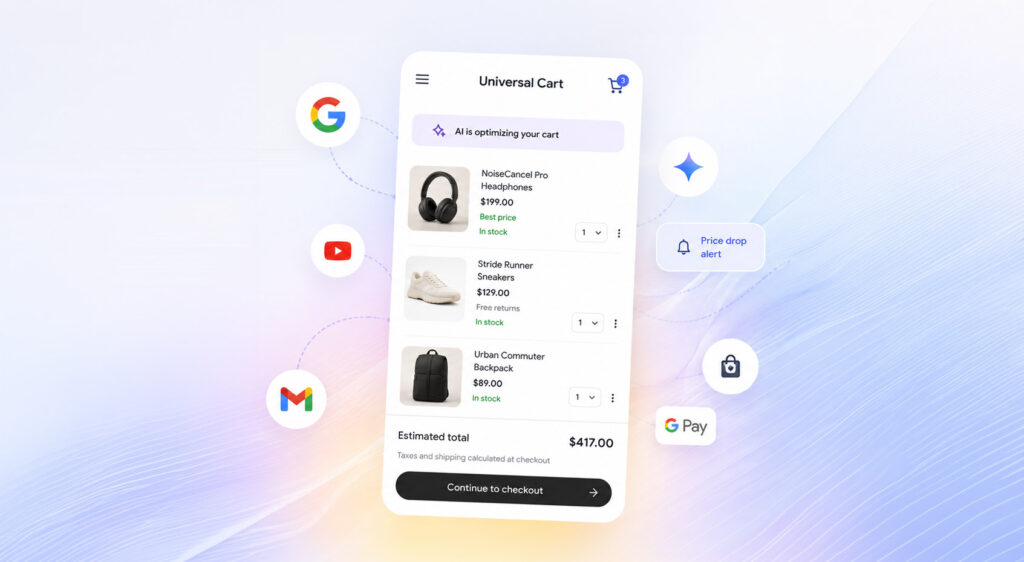
Google’s Universal Cart Could Reshape Ecommerce Faster Than Most Brands Expect
At Google I/O 2026, Google introduced “Universal Cart,” a new AI-powered shopping layer designed to follow ...
Social Feed
