

Is Your Ecommerce Website Ready for AI Agents? The New Frontier of Ecommerce SEO
For years, ecommerce optimization focused on two audiences: humans and search engines.
Today, there is a third audience rapidly emerging: AI agents.
Whether it’s ChatGPT, Google’s AI experiences, Perplexity, Claude, Gemini, or future shopping assistants acting on behalf of consumers, AI systems are increasingly discovering, understanding, and interacting with ecommerce websites in ways that traditional search engines never did.
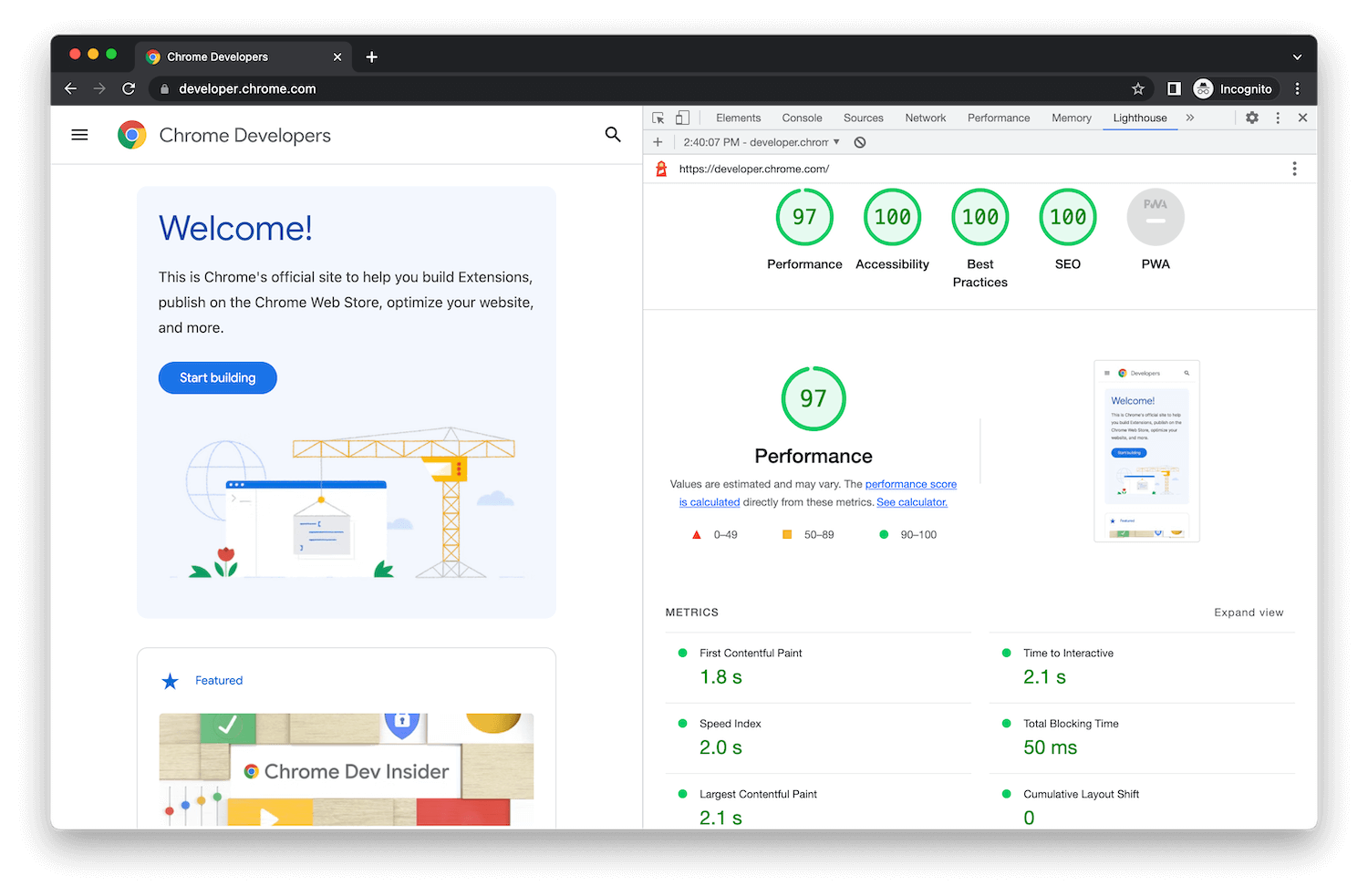
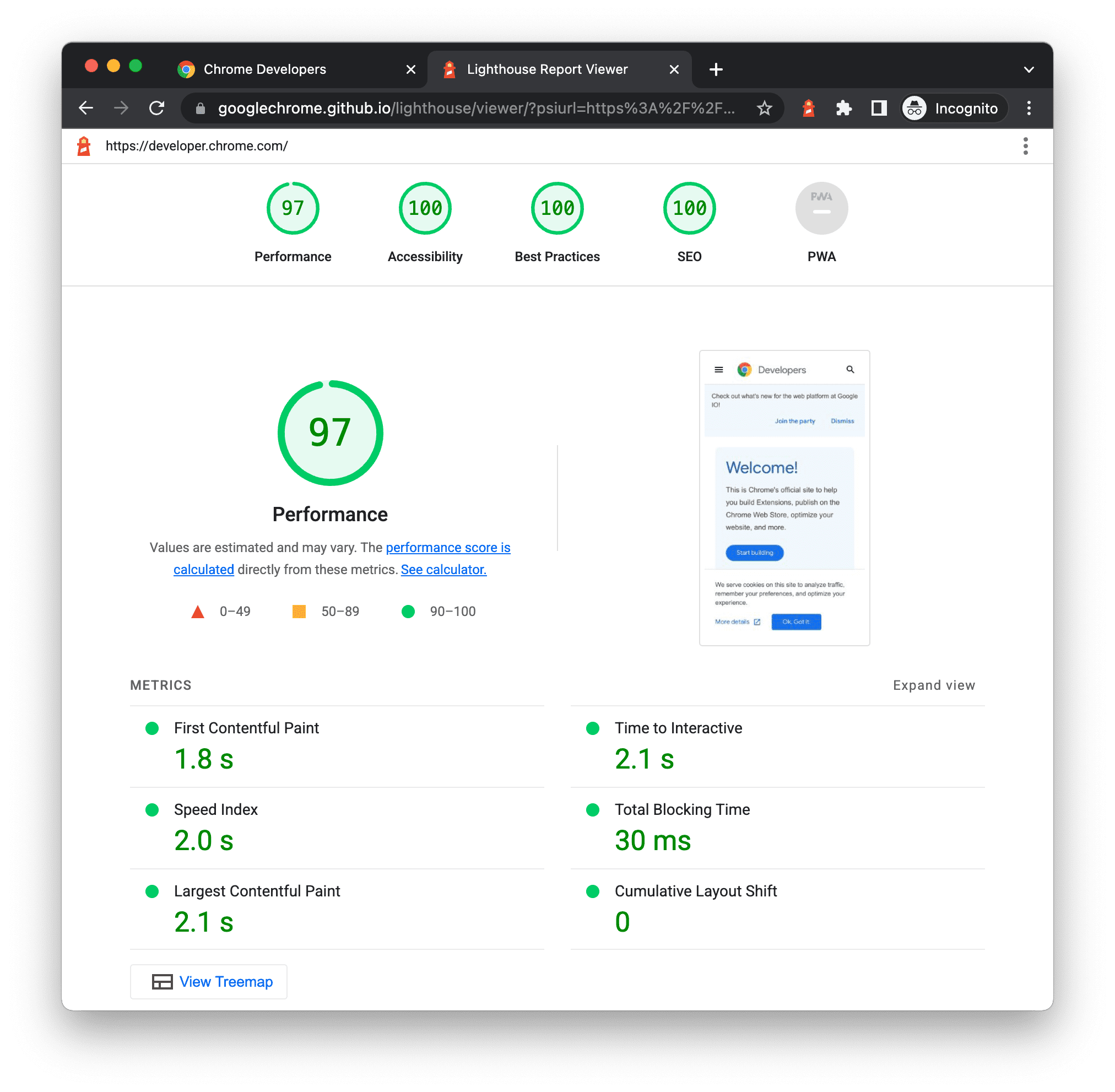
Google recently introduced an experimental “Agentic Browsing” audit within Lighthouse, signaling a major shift in how websites may be evaluated in the future. The audit focuses on how effectively AI agents can understand, navigate, and interact with websites.
For ecommerce brands, this raises an important question:
Is your online store ready for AI-powered shopping and browsing?
What Is Agentic Browsing?
Agentic browsing refers to AI systems that can perform actions on behalf of users rather than simply providing information.
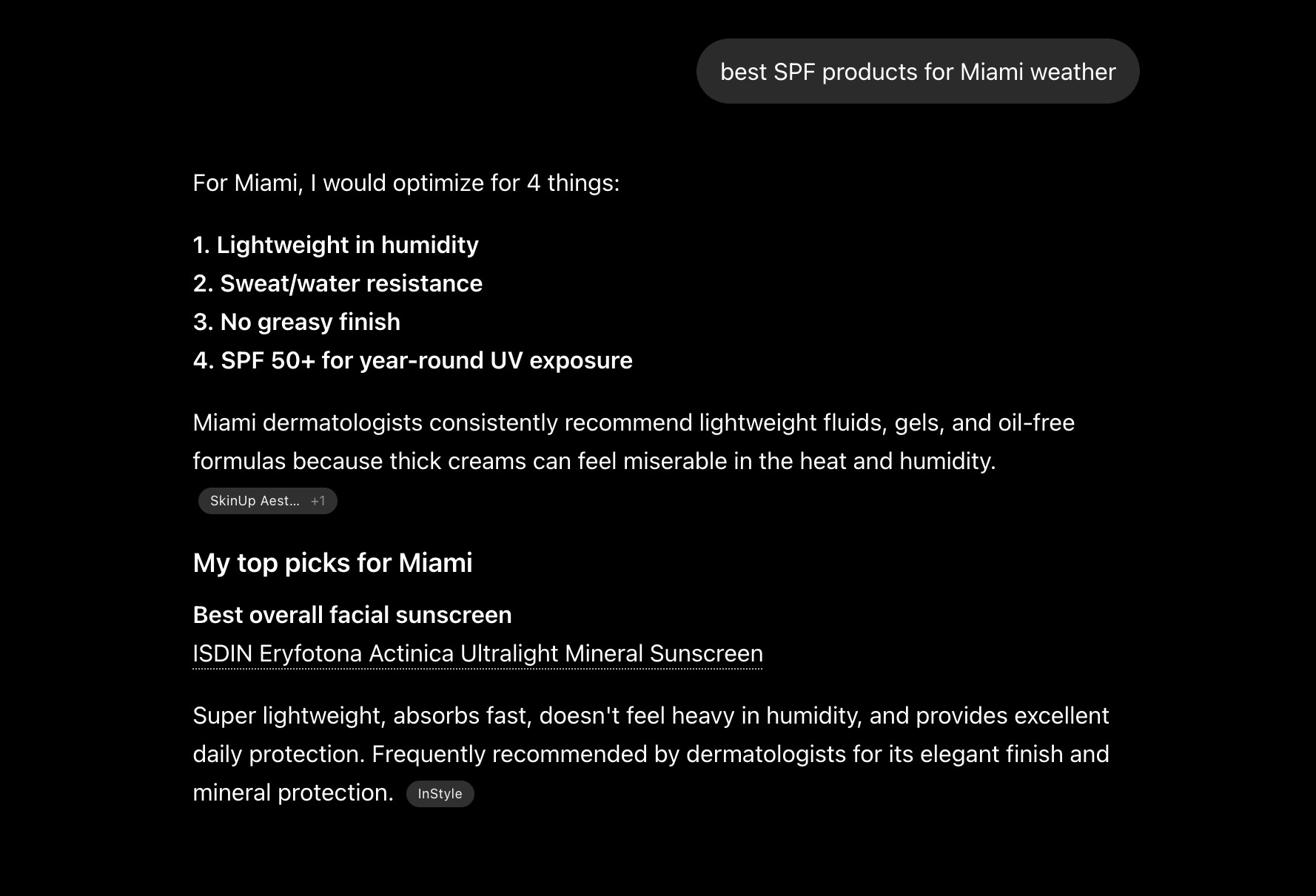
Instead of asking: “best SPF products”
Consumers may soon ask: “best SPF products for Miami weather”
The AI agent becomes the shopper.
To accomplish this, AI systems must be able to:
- Understand website content
- Navigate site architecture
- Interpret product information
- Access pricing and availability
- Complete actions like searching, filtering, and purchasing
Websites that make these tasks easier will likely have a significant advantage as AI-driven commerce evolves.
Why Ecommerce Brands Should Care
AI-powered shopping is already happening. Consumers are increasingly using:
- ChatGPT for product research
- Google AI Overviews for purchase decisions
- Perplexity for comparison shopping
- AI assistants integrated into browsers and operating systems
As these tools become more capable, brands that are easier for AI systems to understand may gain visibility and traffic advantages.
This isn’t replacing traditional SEO.
It’s expanding it.
The future of ecommerce visibility will require optimization for:
- Search engines
- Human shoppers
- AI agents
Google’s New Lighthouse Agentic Browsing Audit
Google’s experimental Lighthouse audit evaluates several areas that influence AI-agent interaction.
AI Discoverability
AI systems need to understand what content exists on a website and how pages relate to one another. Sites with clear structure, logical navigation, and well-organized content make it easier for AI systems to identify:
- Products
- Categories
- Brands
- Pricing
- Reviews
- Policies
- Support resources
AI Accessibility
One of the strongest signals in the new audit is accessibility. This should not be surprising. Many AI systems rely heavily on the same accessibility tree used by screen readers. When a site lacks proper structure, AI agents may struggle to understand:
- Navigation menus
- Product options
- Search functionality
- Checkout workflows
- Interactive elements
Improving accessibility isn’t just beneficial for users. It increasingly improves machine understanding as well.
Layout Stability
AI agents interact with websites differently than humans. Unexpected page shifts, moving elements, and unstable interfaces can create confusion for automated systems. Reducing Cumulative Layout Shift (CLS) and improving interface consistency helps both users and AI agents complete tasks successfully.
WebMCP Integration
One of the most interesting developments is WebMCP. WebMCP aims to create standardized methods for websites to expose capabilities directly to AI agents. Rather than an AI trying to visually interpret a webpage, it could communicate with a website through structured actions.
Imagine an AI assistant asking:
- Search products
- Filter by size
- Check inventory
- Add to cart
- Retrieve order status
All through a standardized protocol.
While WebMCP is still emerging, Google’s inclusion of it within Lighthouse suggests growing industry interest.
Practical Steps Ecommerce Brands Can Take Today
The good news is that most AI-readiness improvements overlap with existing ecommerce best practices.
Strengthen Technical SEO Foundations
Ensure your website has:
- Clean site architecture
- Logical internal linking
- Crawlable navigation
- XML sitemaps
- Canonicalization controls
- Fast loading pages
These fundamentals help both search engines and AI systems understand your content.
Improve Accessibility
Prioritize:
- Semantic HTML
- Proper heading hierarchy
- Accessible forms
- Descriptive buttons
- Alt text for images
- ARIA labels where appropriate
Accessibility is becoming a critical component of machine readability.
Expand Structured Data
Schema markup helps machines understand content without guessing.
Important schema types include:
- Product schema
- Review schema
- FAQ schema
- Organization schema
- Breadcrumb schema
- Article schema
Structured data remains one of the most effective ways to improve machine interpretation.
Create Better Product Content
Many ecommerce sites still rely on manufacturer descriptions.
AI systems perform better when product pages contain:
- Unique descriptions
- FAQs
- Use cases
- Benefits
- Comparison information
- Customer-generated content
Rich content increases both search visibility and AI comprehension.
Reduce Friction in Customer Journeys
Evaluate whether an AI system could easily identify:
- Search functionality
- Product filters
- Cart actions
- Checkout process
- Return policies
- Shipping information
The easier these elements are to understand, the more future-ready your ecommerce experience becomes.
AI Optimization Is the Next Evolution of Ecommerce SEO
Over the last two decades, ecommerce teams optimized for search engines. The next decade will require optimization for intelligent systems capable of browsing, reasoning, comparing, and acting.

The brands that invest early in:
- Accessibility
- Structured data
- Technical SEO
- Site performance
- Machine-readable commerce experiences
… will likely be better positioned as AI-powered shopping continues to grow.
The good news is that preparing for AI agents doesn’t require abandoning existing SEO strategies.
In most cases, it means doubling down on what already creates great digital experiences: clarity, structure, accessibility, and usability.
The ecommerce brands that build for humans, search engines, and AI agents simultaneously will be best positioned for the future of online commerce.
Need Help Preparing Your Ecommerce Site for AI Search and Agentic Commerce?
At Absolute Web, we help ecommerce brands improve technical SEO, accessibility, conversion optimization, user experience, and digital performance across ecommerce platforms.
Whether you’re evaluating AI readiness, optimizing for search visibility, improving conversion rates, or preparing for the future of agentic commerce, our team can help identify opportunities and create a roadmap for growth. Get in touch!

Promoted
EEE Miami 2027 – The Most Inspiring Ecommerce Conference

February 3-5, 2027 | Miami, FL
In-Person Event | Get Tickets

More Articles

DoorDash Launches Native Shopify Integration: What It Means for Local Retailers
DoorDash and Shopify are making it easier for local retailers to meet a growing customer expectation: getti...

Building Trust, Community & Emotional Loyalty in Digital Commerce
At EEE Miami 2026, one of the most refreshing conversations wasn’t about ad hacks, funnels, or scaling spen...
Shopify Spring 2026 Editions: What Ecommerce Brands Should Prioritize Next
Shopify’s Spring 2026 Editions is more than another product release. It is a clear signal of where ecommerc...
Supplement CRO: The 4-Pillar Testing Framework for Shopify Supplement Brands
Most supplement brands do not have a traffic problem. They have a conversion clarity problem. The category ...
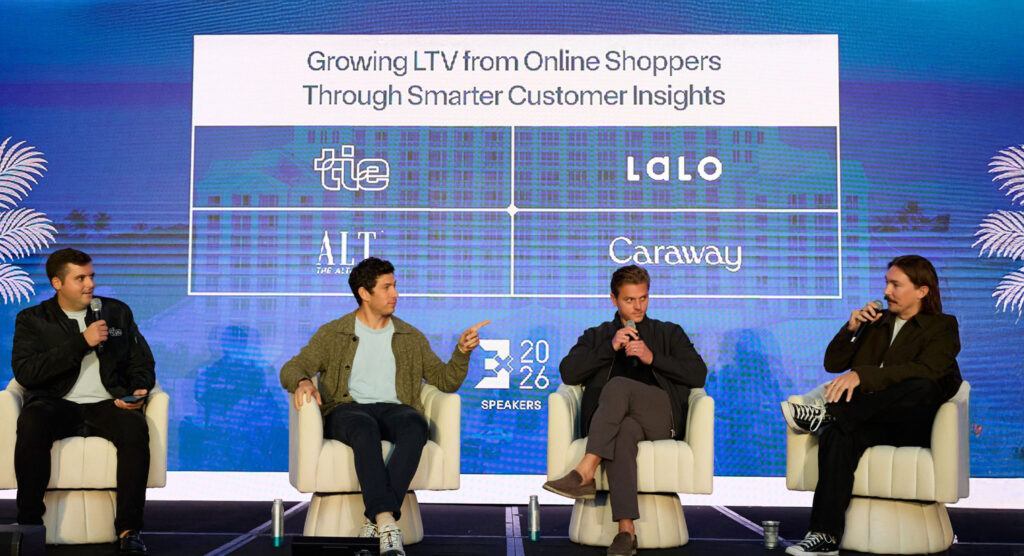
Growing LTV from Online Shoppers Through Smarter Customer Insights
At EEE Miami 2026, one theme kept surfacing across conversations, panels, and hallway chats: how do you gro...
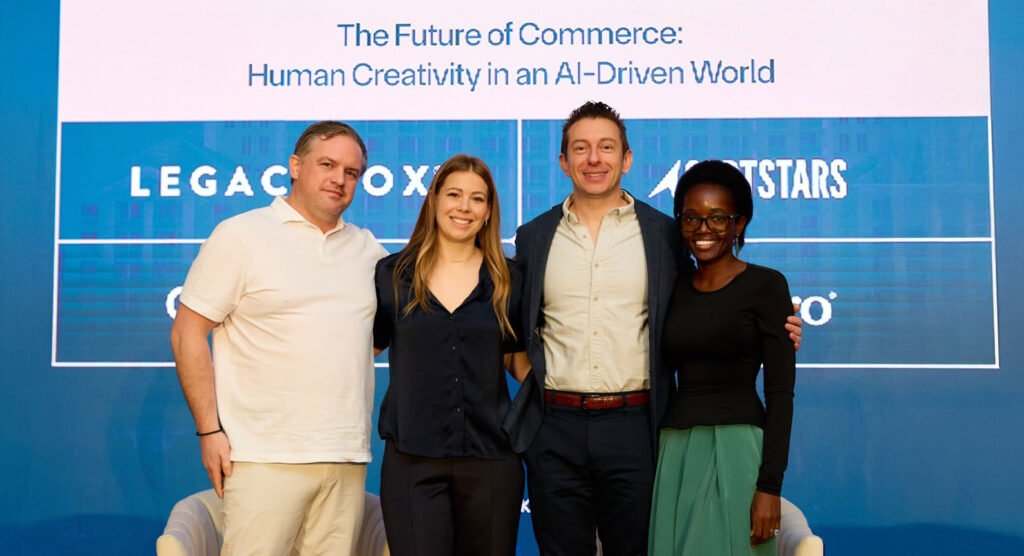
The Future of Commerce: Human Creativity in an AI-Driven World
At EEE Miami 2026, one of the most practical and honest conversations around AI in ecommerce didn’t revolve...

Building What Matters: The Founder’s Blueprint for Brand Longevity
In today’s ecommerce landscape, building a brand is easier than ever. Building one that lasts? That’s a com...
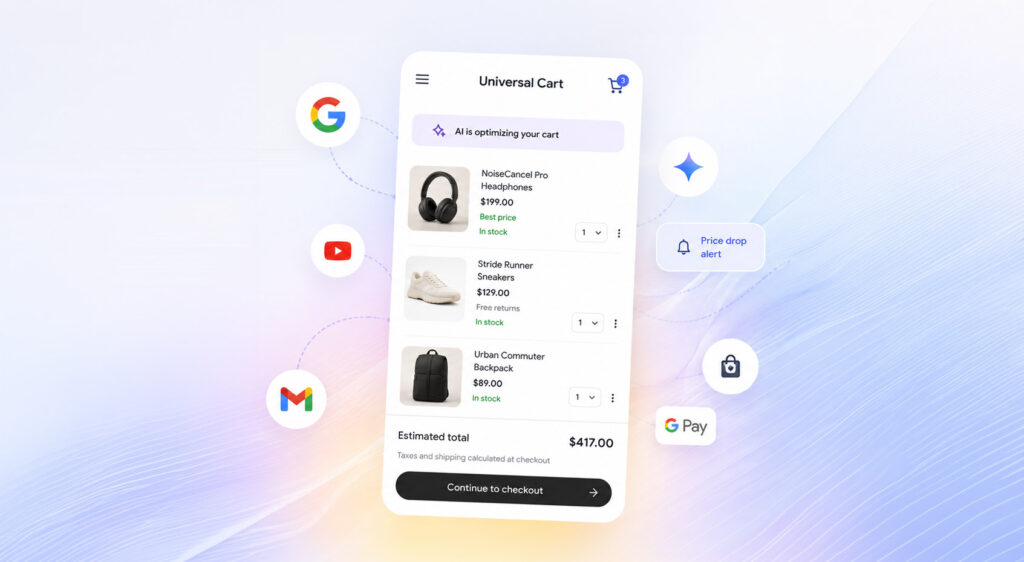
Google’s Universal Cart Could Reshape Ecommerce Faster Than Most Brands Expect
At Google I/O 2026, Google introduced “Universal Cart,” a new AI-powered shopping layer designed to follow ...
Social Feed
