
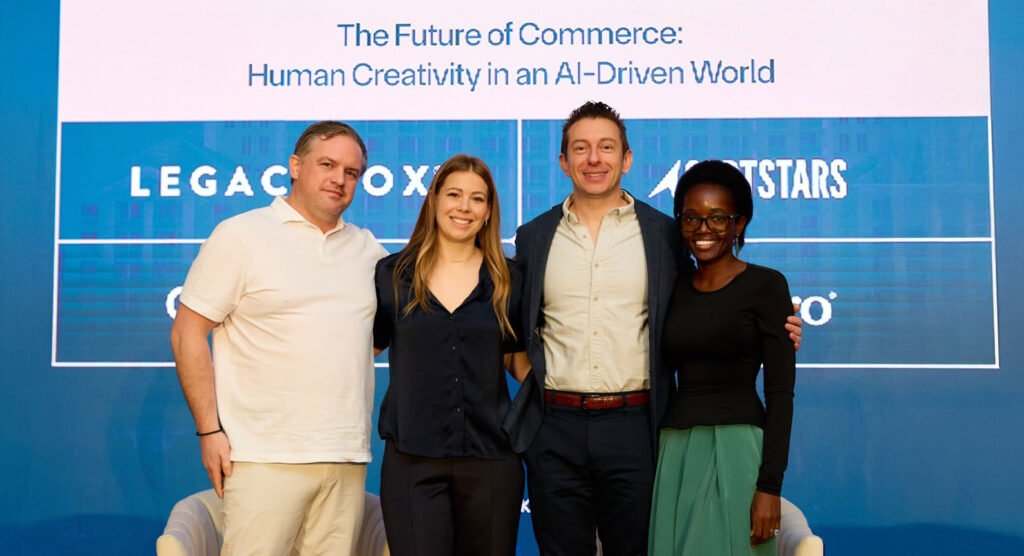

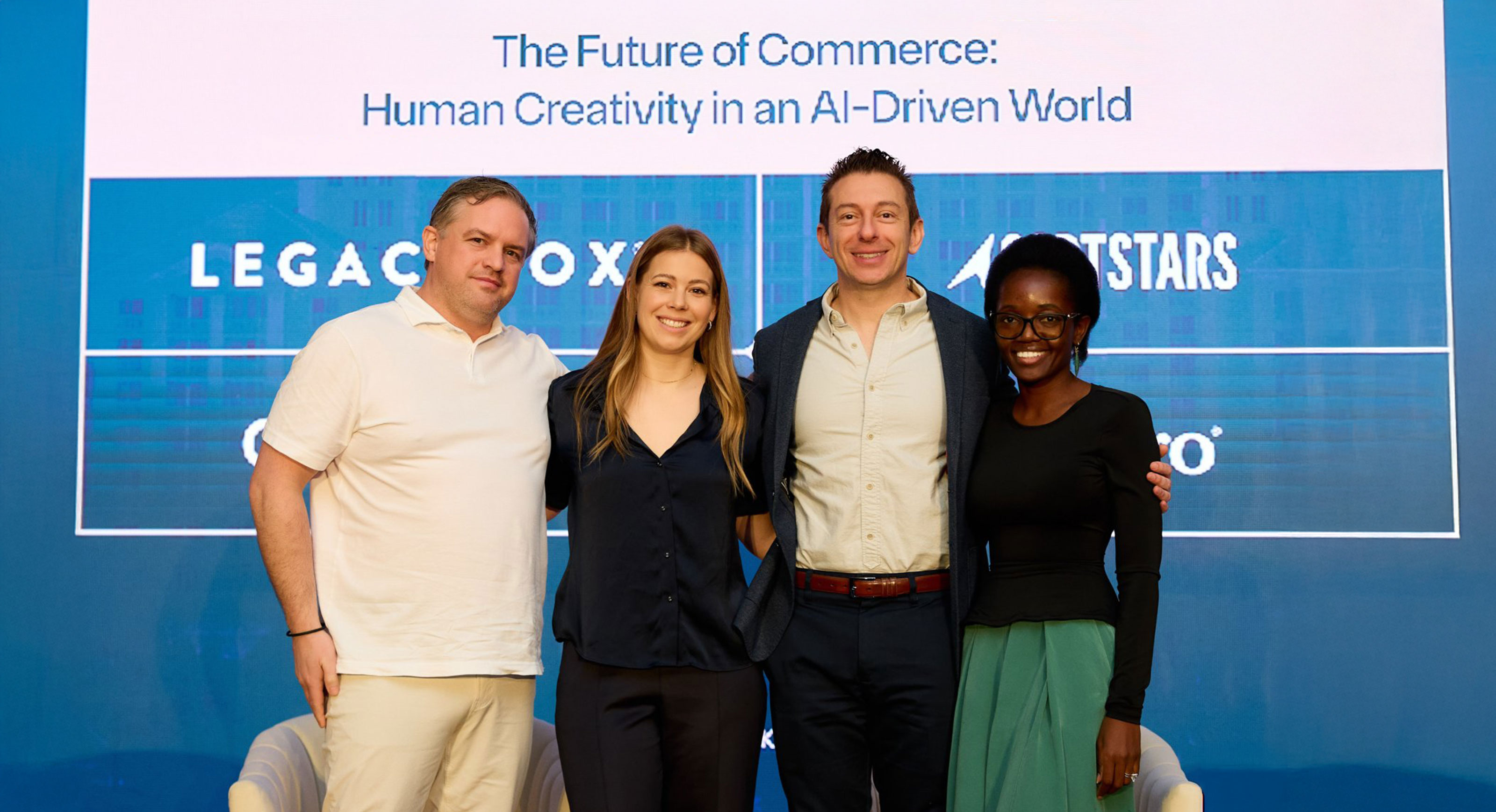
The Future of Commerce: Human Creativity in an AI-Driven World
At EEE Miami 2026, one of the most practical and honest conversations around AI in ecommerce didn’t revolve around hype. It focused on execution.
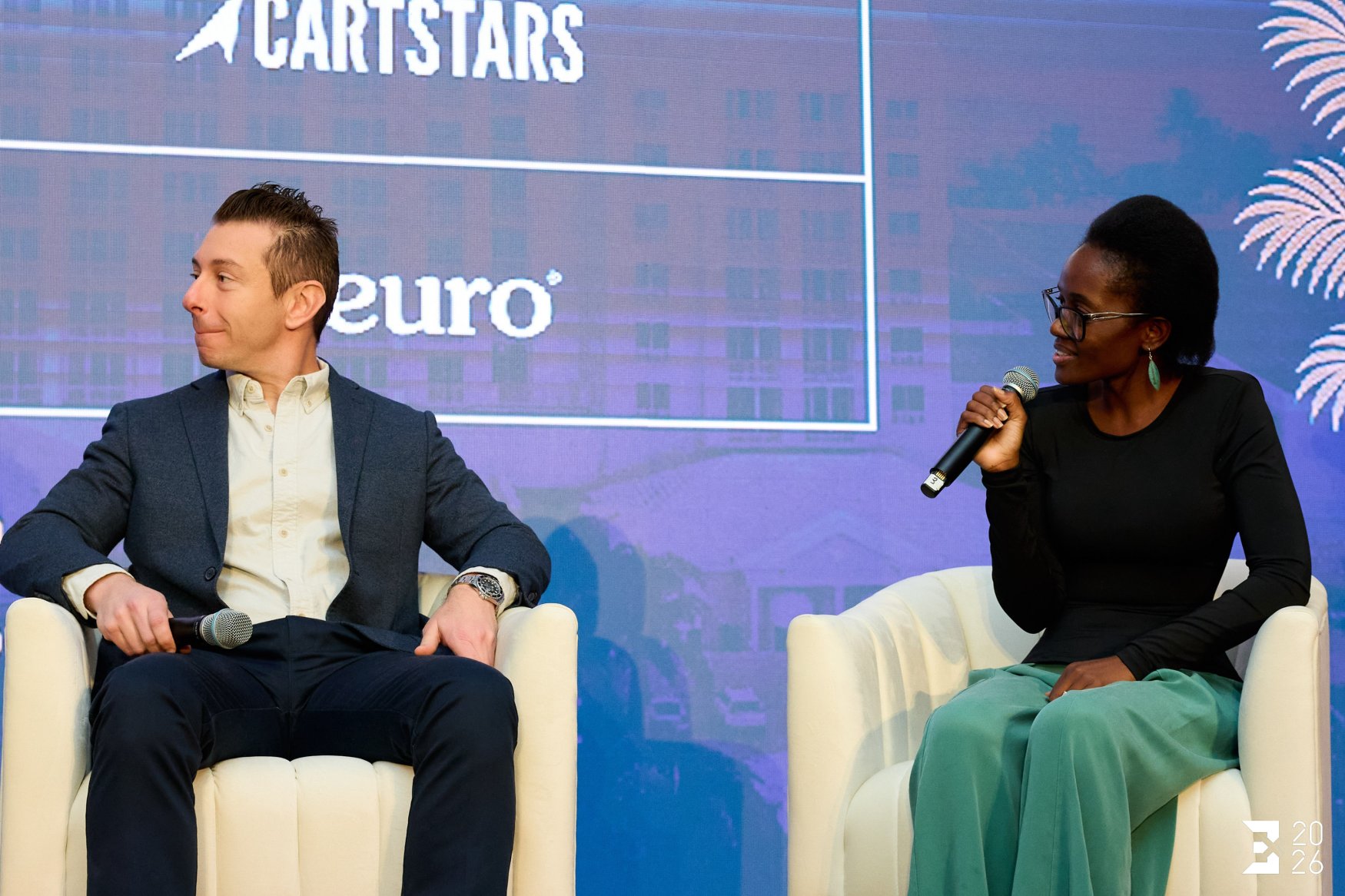
Leaders from brands like Neuro, Legacybox, Cuyana, and CartStars shared how AI is actually being used inside high-performing teams today.
The takeaway? AI isn’t replacing great operators. It’s amplifying them.
AI’s Biggest Win: Turning Data Into Action
One of the clearest wins discussed was something most ecommerce teams struggle with: data overload.
Brooke Cullison highlighted that before tools like ChatGPT, teams were drowning in dashboards but starving for insights. Now, AI is being used to:
- Analyze massive datasets instantly
- Surface patterns teams would miss
- Translate raw data into clear next steps
Instead of guessing what’s happening, operators can now act faster with confidence.
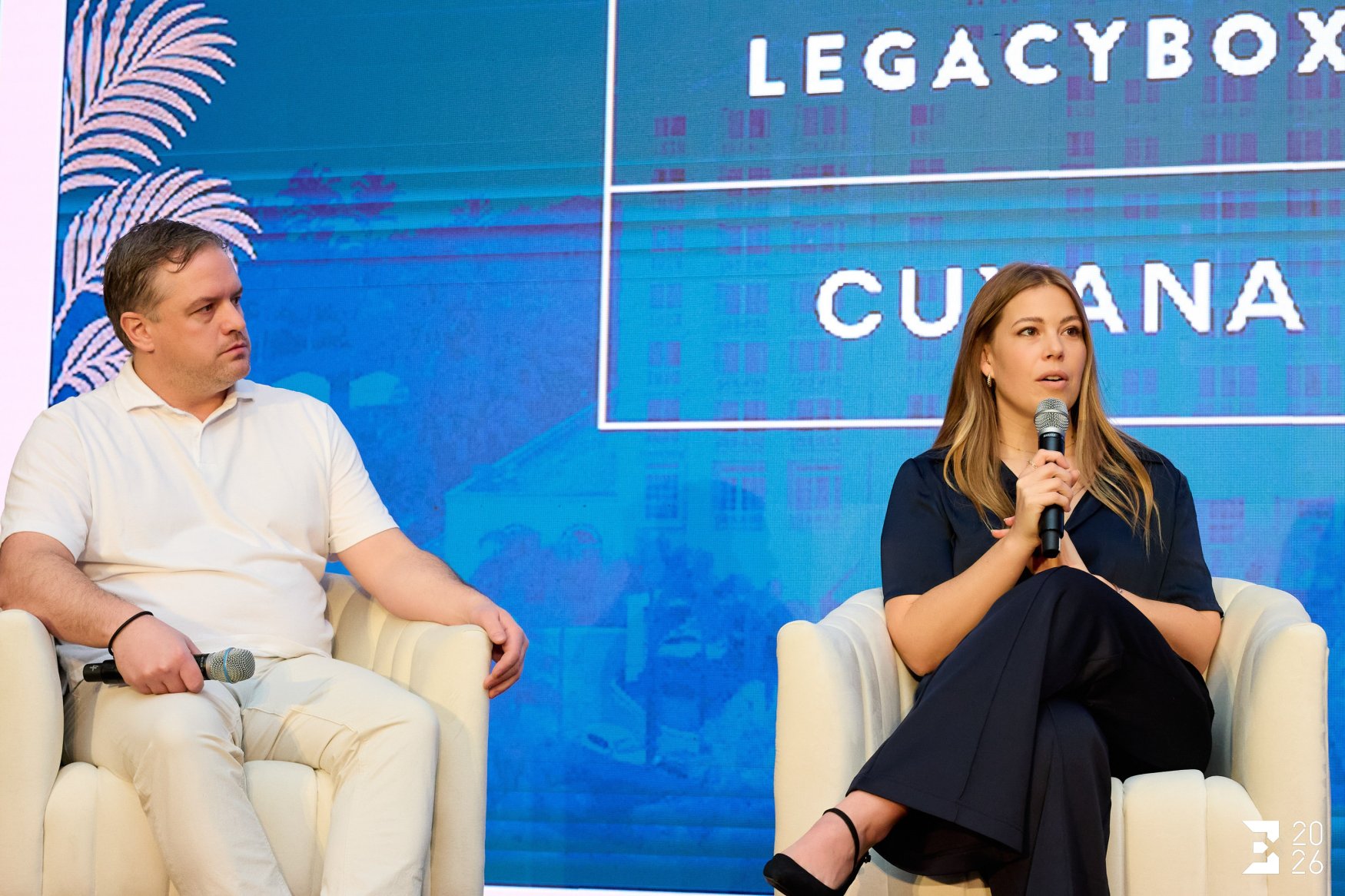
This shift alone is reshaping how marketing teams operate. Less time digging. More time deciding.
Creative at Scale: “Beat the Algorithm with the Algorithm”
Max Lishansky broke down one of the most practical AI use cases in paid media.
The play is simple but powerful:
- Start with a winning asset
- Use AI to create multiple variations
- Test at scale
What used to be:
- 1 asset → 1 test
Now becomes:
- 1 asset → 3 to 7 variations → hundreds of tests per month
This unlocks velocity, which is what modern ad platforms reward.
But there’s a catch.
AI doesn’t replace creative. It multiplies it.
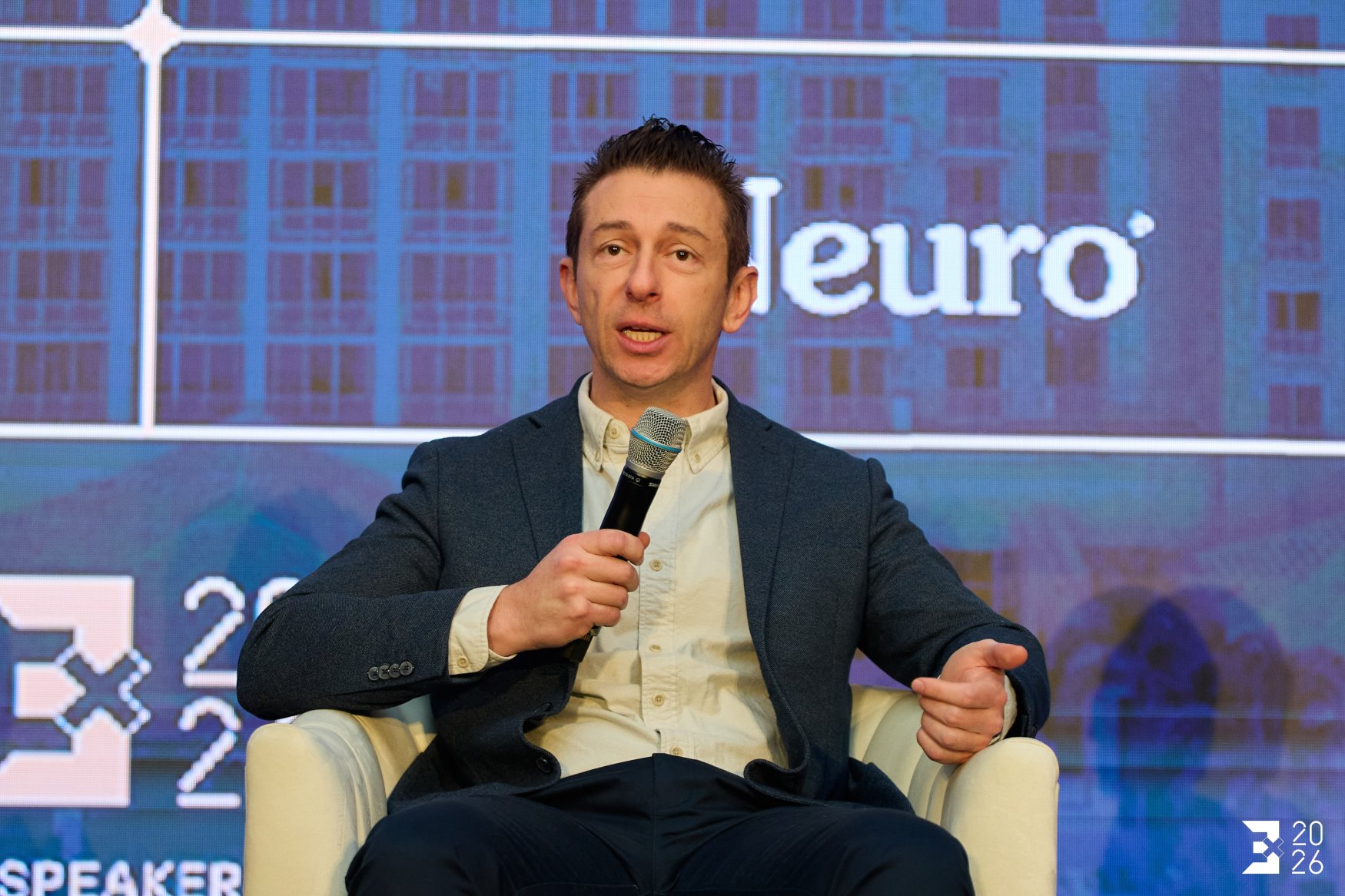
The best results still come from real human-made assets first, then amplified through AI.
AI Is a Multiplier, Not a Replacement
Rick Cadotte framed it best: AI is not the builder. It’s the power tool.
Think of it like going from a hammer to a nail gun. You still need:
- Strategy
- Taste
- Understanding of product-market fit
What AI does is:
- Speed up execution
- Expand testing capacity
- Remove operational bottlenecks
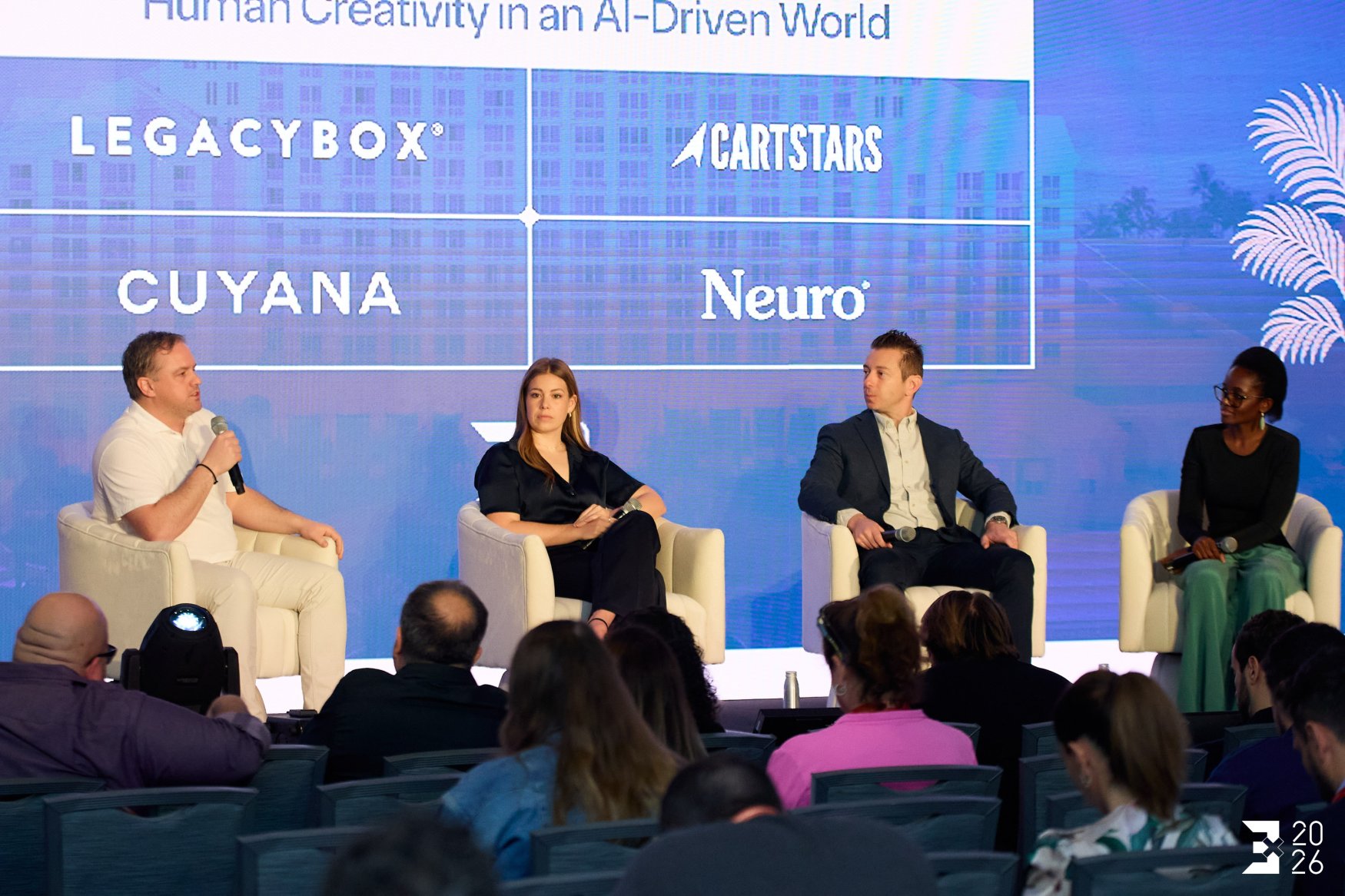
At Legacybox, this means:
- Spinning up funnels in a day
- Testing multiple audience permutations instantly
- Automating repetitive workflows
But the core job hasn’t changed: Find what resonates. Scale it. Repeat.
Where AI Actually Adds the Most Value
Across the panel, a clear pattern emerged. The best use cases are:
1. High-volume, low-leverage work
Things like:
- Formatting assets
- Resizing creatives
- Building decks
- Organizing notes
These tasks eat time but don’t drive revenue.
AI removes them.
2. Customer insight mining
Top teams are feeding AI:
- Support tickets
- Post-purchase surveys
- Reviews
And asking:
- What are we missing?
- Where are customers coming from?
- What problems aren’t we solving?
This consistently uncovers new growth opportunities every 30 days.
3. Creative planning and production
Instead of guessing what to shoot, teams now:
- Generate shot lists with AI
- Pre-visualize campaigns
- Optimize production before spending
That means fewer wasted shoots and more usable assets.
Where AI Fails: Taste, Emotion, and Culture
Every speaker agreed on this:
AI still can’t replace taste.
It struggles with:
- Emotional nuance
- Cultural relevance
- Brand voice
- Authentic storytelling
Brooke summed it up perfectly:
AI should never be the final draft.
It’s great for:
- First drafts
- Brainstorming
- Iteration
But the final layer, the one that actually converts, still needs a human.
Because in today’s market:
- Everyone has access to AI
- Most content starts to look the same
The brands that win are the ones that feel different.
The Hidden Risk: Moving Faster in the Wrong Direction
AI doesn’t just accelerate success.
It also accelerates mistakes.
If your:
- Messaging is off
- Product-market fit is weak
- Creative lacks clarity
AI will scale that too.
Faster.
That’s why operators need to stay grounded in fundamentals:
- Clear positioning
- Strong product
- Real customer understanding
AI should enhance direction, not define it.
How Leading Teams Are Rolling AI Out
The best teams aren’t locking into one tool.
They’re:
- Testing multiple models
- Matching tools to use cases
- Encouraging experimentation
Some even gamify adoption with internal leaderboards.
But they also set guardrails:
- What data can be used
- Where AI is allowed
- When human review is required
Because adoption without structure becomes chaos.
The Human Advantage Is Still the Edge
Despite all the tools, one idea kept coming up:
AI gives you time back. What you do with it is what matters.
Top operators are using that time to:
- Think deeper about strategy
- Improve product-market fit
- Build stronger brands
- Connect with customers
Not just produce more output.
Final Takeaways
If you strip away the noise, the panel’s message was simple:
- Start with strong human inputs
- Use AI to scale what works
- Don’t outsource thinking
- Stay obsessed with fundamentals
- Keep testing everything
Or as Rick put it: Get your board in the water and paddle 😁
This is one of those generational shifts. The opportunity is real.
But only for operators who know how to use it.
If you want to see the full conversation and hear the examples directly from the panel, watch the full session on EEE Miami.

Promoted
EEE Miami 2027 – The Most Inspiring Ecommerce Conference

February 3-5, 2027 | Miami, FL
In-Person Event | Get Tickets

More Articles

DoorDash Launches Native Shopify Integration: What It Means for Local Retailers
DoorDash and Shopify are making it easier for local retailers to meet a growing customer expectation: getti...
Building Trust, Community & Emotional Loyalty in Digital Commerce
At EEE Miami 2026, one of the most refreshing conversations wasn’t about ad hacks, funnels, or scaling spen...
Shopify Spring 2026 Editions: What Ecommerce Brands Should Prioritize Next
Shopify’s Spring 2026 Editions is more than another product release. It is a clear signal of where ecommerc...

Supplement CRO: The 4-Pillar Testing Framework for Shopify Supplement Brands
Most supplement brands do not have a traffic problem. They have a conversion clarity problem. The category ...
Growing LTV from Online Shoppers Through Smarter Customer Insights
At EEE Miami 2026, one theme kept surfacing across conversations, panels, and hallway chats: how do you gro...
Is Your Ecommerce Website Ready for AI Agents? The New Frontier of Ecommerce SEO
For years, ecommerce optimization focused on two audiences: humans and search engines. Today, there is a th...
Building What Matters: The Founder’s Blueprint for Brand Longevity
In today’s ecommerce landscape, building a brand is easier than ever. Building one that lasts? That’s a com...
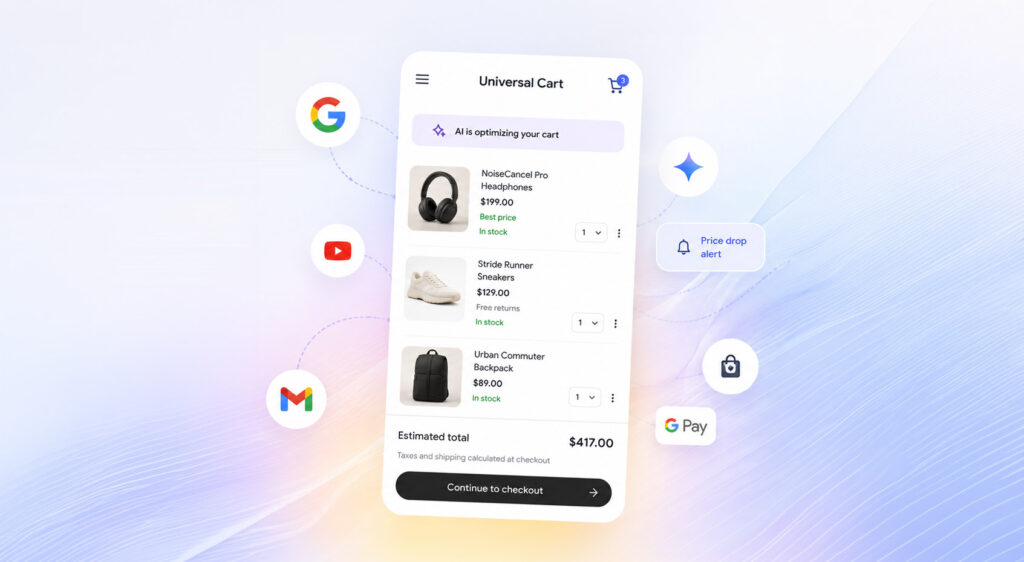
Google’s Universal Cart Could Reshape Ecommerce Faster Than Most Brands Expect
At Google I/O 2026, Google introduced “Universal Cart,” a new AI-powered shopping layer designed to follow ...
Social Feed
