

Winning Ecommerce Discovery: How Shoppers Find, Choose, and Convert in 2026
Ecommerce discovery has changed. Dramatically. The traditional funnel, where a customer moves neatly from awareness → consideration → purchase, is no longer how people shop. Today’s journey is fragmented, non-linear, and heavily influenced by marketplaces, social platforms, and AI.
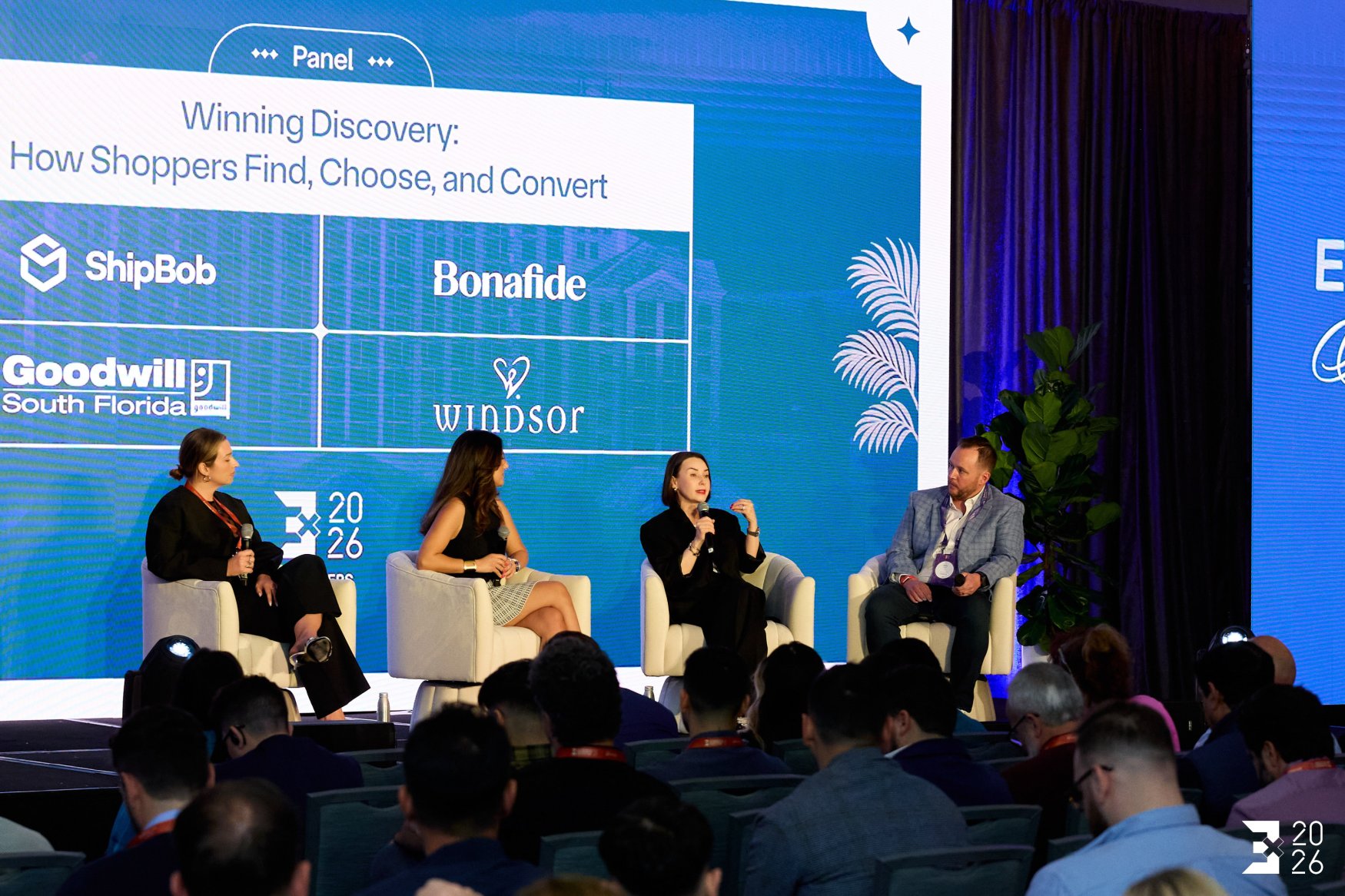
At EEE Miami 2026, leaders from Bonafide Health, Goodwill South Florida, and Windsor Fashions unpacked what’s actually happening across DTC, retail, and marketplace-driven brands and what it means for growth.
Here’s what matters right now if you’re serious about improving ecommerce conversion rate, customer acquisition, and digital experience performance.
Discovery Is No Longer Brand-First. It’s Product-First.
One of the biggest shifts in ecommerce is how customers discover brands.
They’re not searching for you.
They’re searching for solutions, products, and answers.
That means:
- Your product pages (PDPs) are often the first interaction with your brand
- Discovery is happening through Google Shopping, Amazon, TikTok Shop, and AI-generated results
- Customers compare you instantly against competitors, often side-by-side
For marketplace-driven businesses like Goodwill, this is even more pronounced. Discovery starts with a product search, not brand awareness, which flips traditional marketing strategies on their head.
👉 Takeaway: Your PDP is no longer just a conversion page. It’s your homepage, landing page, and first impression all in one.
The Funnel Is Broken (And That’s Okay)
For DTC brands, one assumption used to hold true:
If we win the click, we win the purchase. Not anymore.
Customers:
- Click from paid ads → check reviews on Reddit or Amazon
- Land on your site → buy on Target or another retailer
- Discover you on TikTok → convert somewhere else
This creates what many brands now call “customer leakage.” Instead of fighting it, leading brands are:
- Measuring cross-channel behavior
- Aligning messaging, pricing, and content across platforms
- Optimizing for total revenue, not just DTC conversion
👉 Takeaway: Stop optimizing for a single channel. Start optimizing for the entire ecosystem where your customer shops.
Where Brands Are Losing Conversions (and How to Fix It)
Across all panelists, one theme was consistent:
The biggest drop-off happens on product pages.
1. Mobile PDP Overload
Most traffic is mobile, but PDPs are overloaded with:
- Too much content
- Poor hierarchy
- Hidden CTAs
Fix:
- Prioritize the buy box early
- Use progressive disclosure for content
- Highlight key benefits instantly
2. Lack of Storytelling
Many brands treat PDPs as informational pages. But high-performing brands:
- Add UGC and video content
- Bring storytelling from ads and social into PDP
- Make the page feel inspirational, not just functional
3. Missing Trust Signals
Especially in competitive environments:
- Reviews, ratings, and social proof are critical
- “X people viewed this” or “Y purchased this” drives urgency
👉 Takeaway: PDP optimization is one of the highest ROI opportunities in ecommerce today. It directly impacts conversion rate optimization (CRO) and revenue growth.
AI Is Reshaping Ecommerce Discovery
AI is no longer just a tool. It’s becoming the interface for discovery. Customers are:
- Asking AI tools for recommendations
- Reading AI-generated summaries instead of clicking links
- Discovering brands without ever visiting a homepage
This changes SEO and content strategy entirely.
From “Ranking” to “Being the Answer”
Instead of competing for clicks, brands now need to:
- Show up in AI responses and summaries
- Structure content for LLMs (large language models)
- Build authority through clear, trustworthy information
For example:
- Health brands focus on clinical validation and structured data
- Retail brands optimize for search visibility and product relevance
👉 Takeaway: The future of ecommerce SEO is about answer optimization, not just keyword ranking.
Omnichannel Is No Longer Optional
Bonafide’s shift into retail highlighted a major trend:
Customers don’t care where they buy. They care about convenience and trust.
They might:
- Discover your product on social
- Validate it on Amazon
- Purchase it in-store or via another retailer
Winning brands are focused on:
- Mental availability (brand awareness)
- Physical availability (being everywhere customers shop)
👉 Takeaway: Growth comes from meeting customers wherever they are, not forcing them into a single channel.
What Brands Are Underestimating Right Now
According to the panel, most brands are still over-investing in traffic acquisition and under-investing in what actually converts that traffic.
Big misses:
- Weak product page experiences
- Lack of engagement and retention strategies
- Under-optimized presence in AI-driven discovery
At the same time, attention is harder to capture and even harder to keep. Leading brands are responding by:
- Treating ecommerce sites more like content and engagement platforms
- Investing in interactive experiences, personalization, and loyalty
- Testing faster with AI-driven experimentation
How Absolute Web Helps Brands Win Discovery
At Absolute Web, we help brands adapt to this new reality by focusing on what actually drives growth:
- Conversion Rate Optimization (CRO)
Turning traffic into revenue through data-driven testing - UX/UI Design
Building high-performing product pages and seamless shopping experiences - Shopify & Ecommerce Development
Creating scalable, flexible ecommerce platforms - Omnichannel Strategy
Aligning DTC, marketplaces, and retail experiences - SEO & AI Optimization
Ensuring brands show up where discovery is happening today
The goal is simple:
Not just more traffic, but better conversion, stronger retention, and scalable growth.
Final Thought
Ecommerce discovery isn’t one channel anymore. It’s an ecosystem.
The brands that win will be the ones that:
- Treat PDPs as the center of the experience
- Optimize for AI-driven discovery
- Embrace omnichannel behavior instead of fighting it
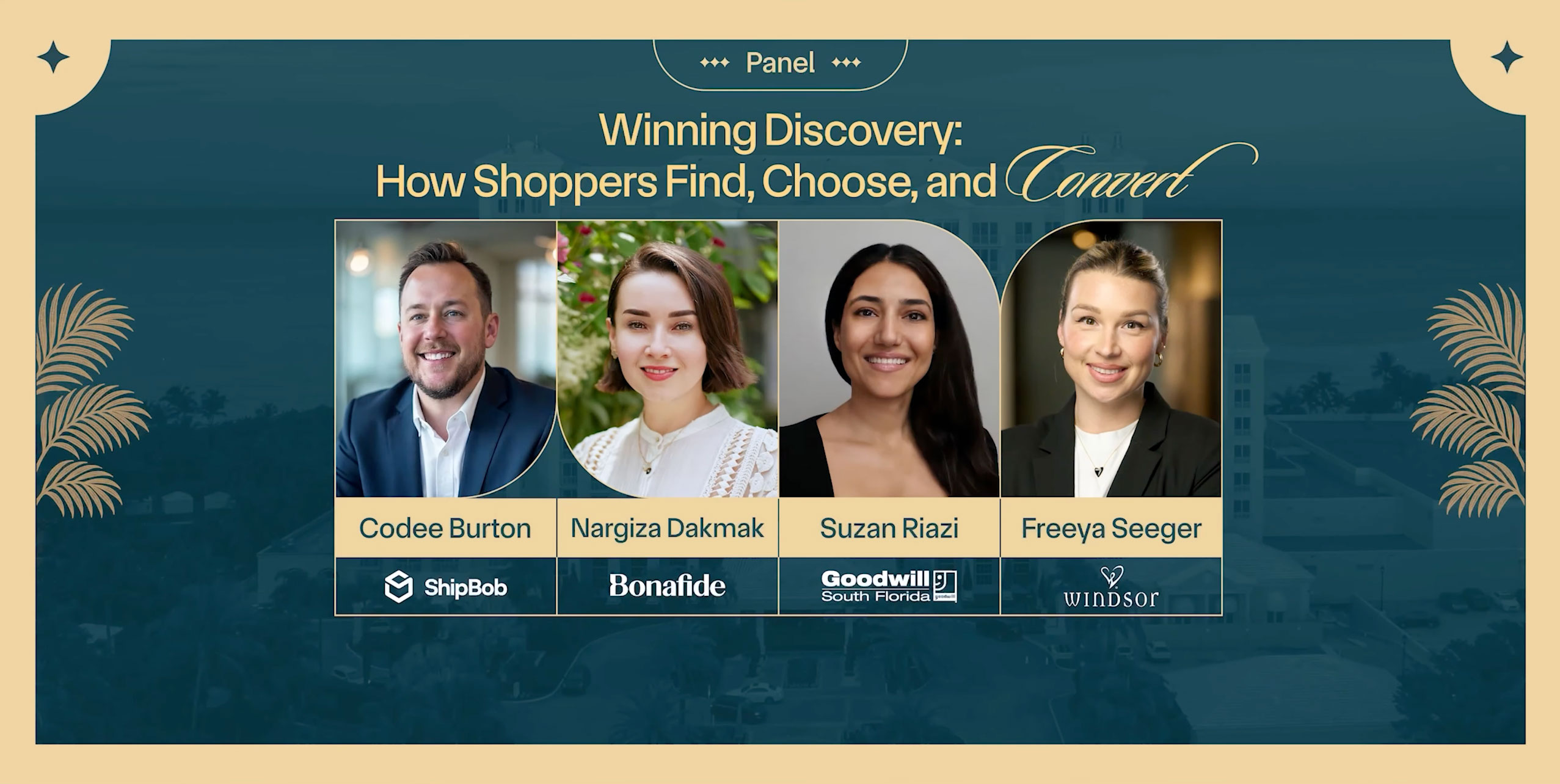
To dive deeper into these insights and hear directly from the brands leading this shift, watch the full session: https://eeemiami.com/video/winning-discovery-how-shoppers-find-choose-and-convert/

Promoted
EEE Miami 2027 – The Most Inspiring Ecommerce Conference
February 3-5, 2027 | Miami, FL
In-Person Event | Get Tickets

More Articles
DoorDash Launches Native Shopify Integration: What It Means for Local Retailers
DoorDash and Shopify are making it easier for local retailers to meet a growing customer expectation: getti...
Building Trust, Community & Emotional Loyalty in Digital Commerce
At EEE Miami 2026, one of the most refreshing conversations wasn’t about ad hacks, funnels, or scaling spen...
Shopify Spring 2026 Editions: What Ecommerce Brands Should Prioritize Next
Shopify’s Spring 2026 Editions is more than another product release. It is a clear signal of where ecommerc...
Supplement CRO: The 4-Pillar Testing Framework for Shopify Supplement Brands
Most supplement brands do not have a traffic problem. They have a conversion clarity problem. The category ...
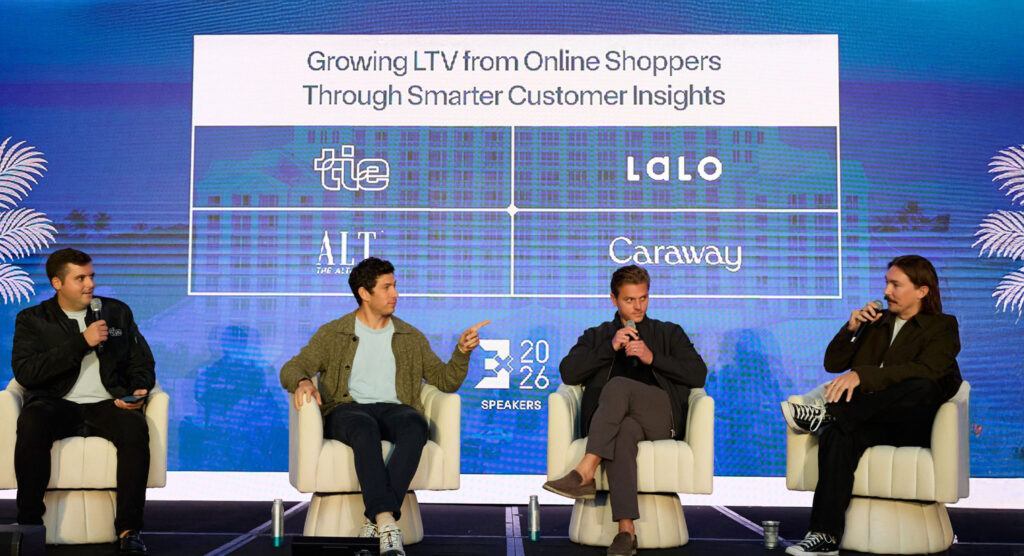
Growing LTV from Online Shoppers Through Smarter Customer Insights
At EEE Miami 2026, one theme kept surfacing across conversations, panels, and hallway chats: how do you gro...
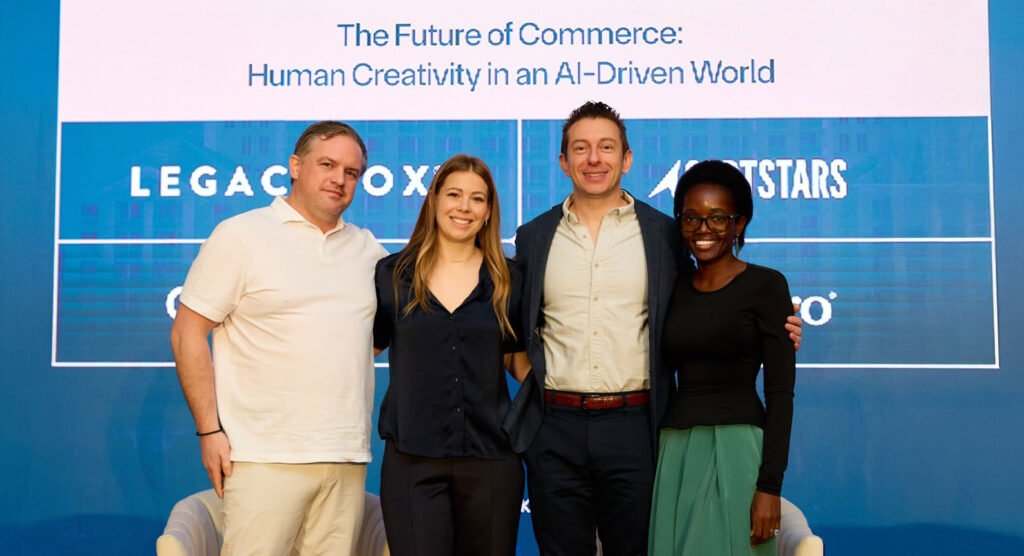
The Future of Commerce: Human Creativity in an AI-Driven World
At EEE Miami 2026, one of the most practical and honest conversations around AI in ecommerce didn’t revolve...
Is Your Ecommerce Website Ready for AI Agents? The New Frontier of Ecommerce SEO
For years, ecommerce optimization focused on two audiences: humans and search engines. Today, there is a th...

Building What Matters: The Founder’s Blueprint for Brand Longevity
In today’s ecommerce landscape, building a brand is easier than ever. Building one that lasts? That’s a com...
Social Feed
