

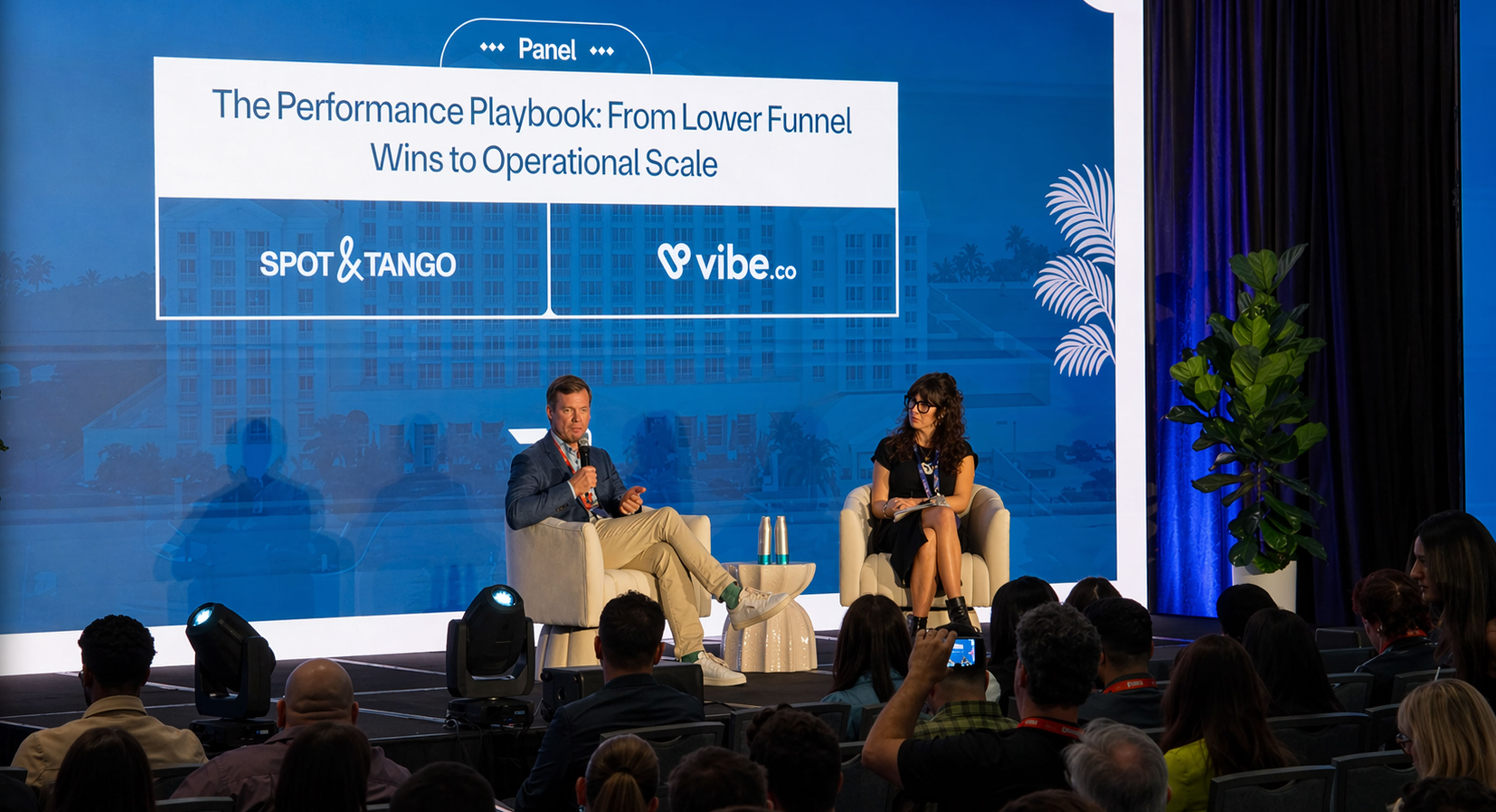
From CAC to CTV: How Modern DTC Brands Scale Profitably
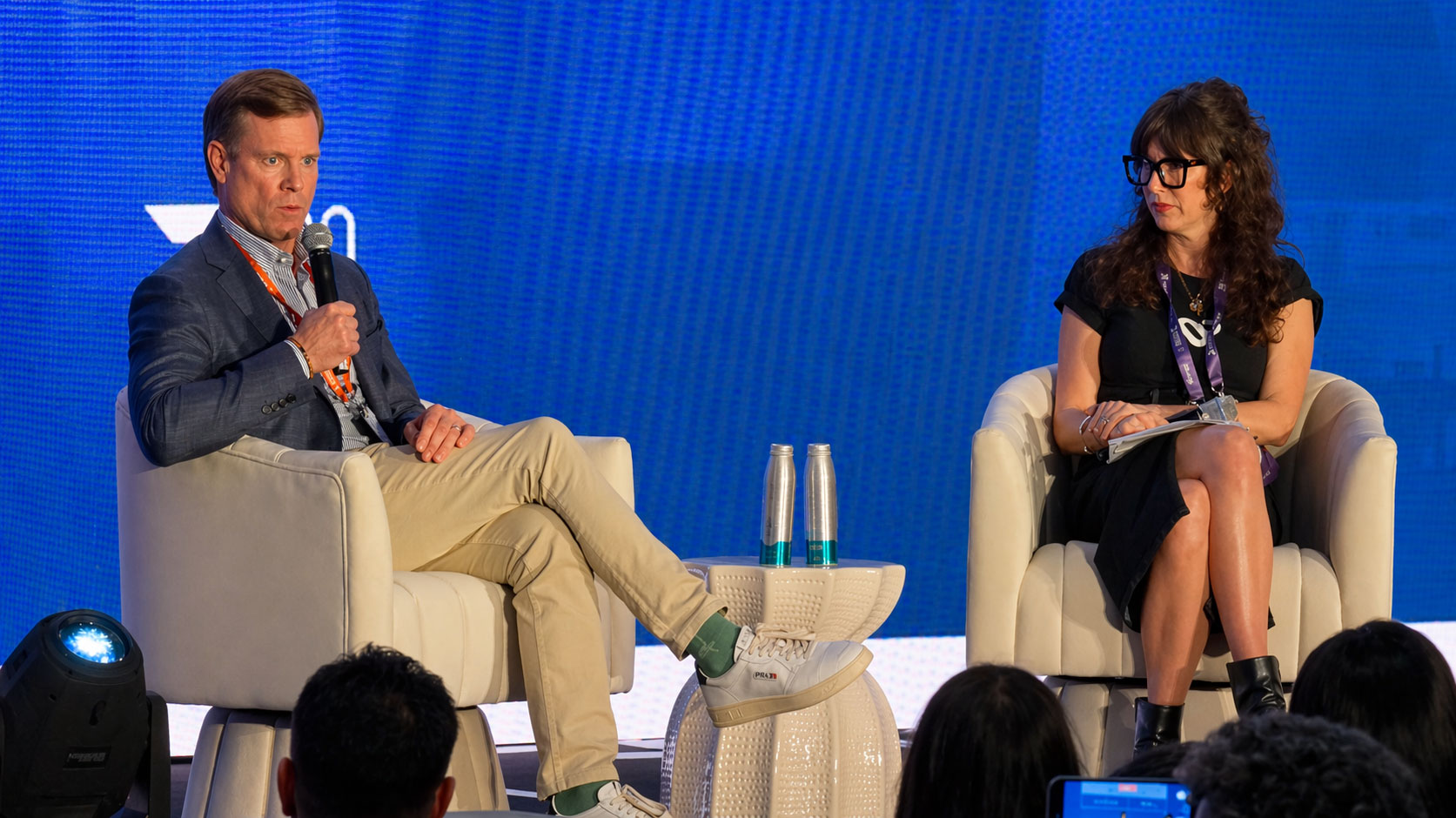
At EEE Miami 2026, one of the most practical and high-signal sessions brought together Russell of Spot & Tango and Caitlin from Vibe.co to break down what it really takes to scale a DTC brand today.
No fluff, no theory. Just real operator insights on growth, profitability, and how to navigate an increasingly complex acquisition landscape.
From Kitchen Startup to 9-Figure Brand
Spot & Tango’s story starts in a small New York City apartment, cooking human-grade meals for their dog. Fast forward 10 years, and the company is now a nine-figure, subscription-first brand growing profitably.
But the key takeaway wasn’t the growth, it was how they achieved it.
Russell emphasized that sustainable growth isn’t just about marketing performance. It’s about building the operational backbone to support it. One of the biggest inflection points for the business was vertical integration, bringing manufacturing in-house, gaining full control over supply chain, improving margins, and reducing long-term risk.
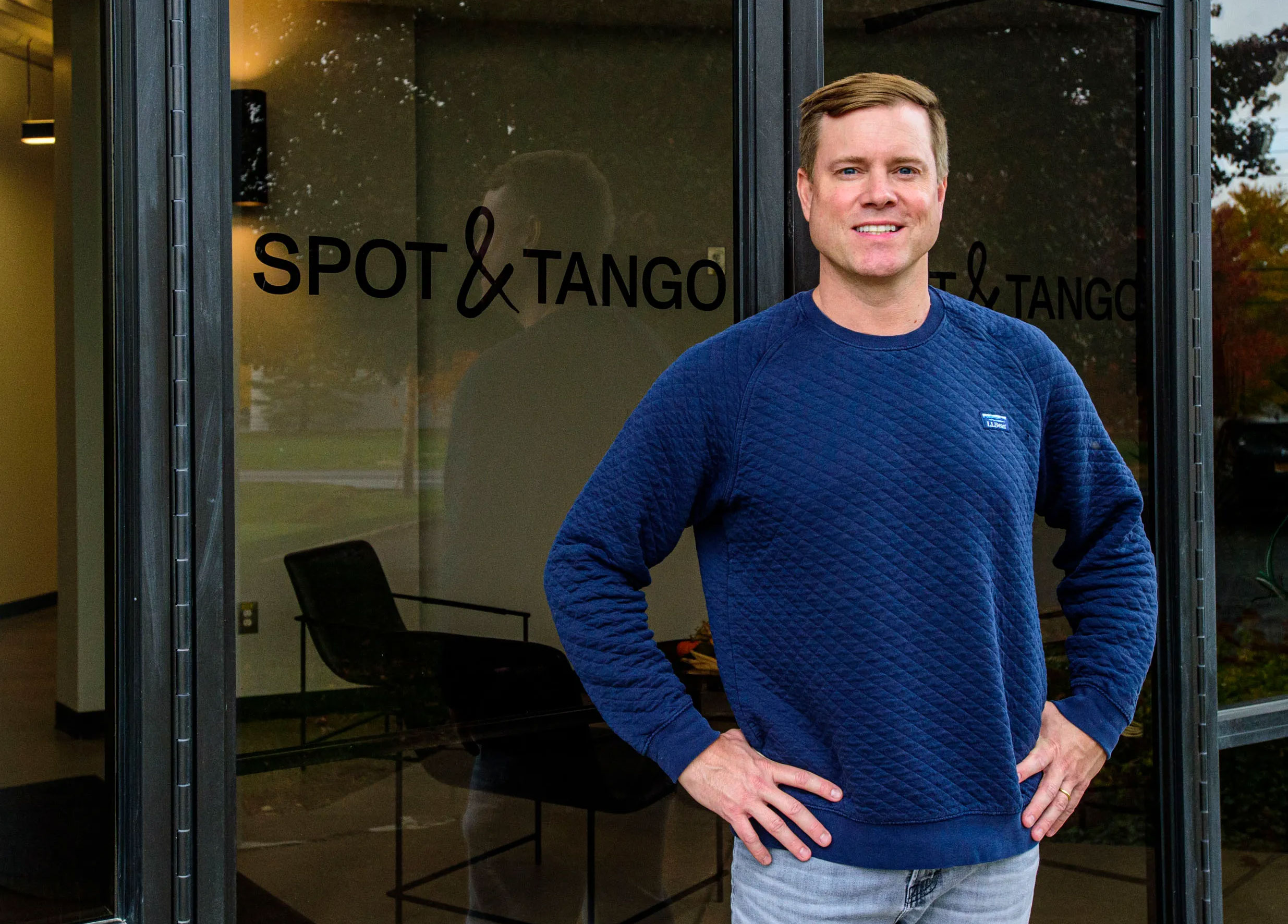
In a world where many brands rely heavily on third parties, owning your infrastructure can become a major competitive advantage.
Obsessing Over CAC (The Right Way)
A major theme throughout the session was discipline around customer acquisition cost.
Spot & Tango didn’t scale by chasing channels. They scaled by obsessing over execution:
- Owning media buying internally instead of relying fully on agencies
- Monitoring performance daily (not weekly)
- Continuously A/B testing across the entire funnel
- Treating creative as a high-volume testing engine, not a one-off effort
- Refining audience targeting to avoid wasted spend
This level of rigor allowed them to scale spend significantly while actually improving blended CAC over time.
The takeaway is simple: growth doesn’t come from “finding the next channel,” it comes from doing the fundamentals better than everyone else.
Payback: The Metric That Aligns the Entire Business
One of the most valuable frameworks shared was how Spot & Tango thinks about payback. Instead of looking at CAC in isolation, they tie everything back to how quickly marketing spend returns profit. The formula connects:
- 12-month LTV
- Contribution margin
- Customer acquisition cost
This creates a clear payback period, a metric that aligns marketing, operations, and customer experience teams around a single goal: profitable growth.
It also unlocks smarter decision-making. If margins improve, you can afford higher CAC. If retention improves, your payback accelerates. Every team impacts growth.
When Performance Marketing Starts to Break
At scale, even the best-performing channels begin to plateau. You can optimize Meta, Google, and TikTok endlessly, but eventually:
- CAC starts creeping up
- Audiences get saturated
- Incremental growth slows down
This is where many brands get stuck. Caitlin introduced the next phase of growth: diversification.
The Role of CTV and Upper Funnel
Connected TV (CTV), OTT, and other upper-funnel channels are no longer just “brand plays.” They’re becoming essential performance drivers. The shift is from:
Brand vs. Performance → Performance Branding
CTV helps:
- Drive net-new customer acquisition
- Expand the demand pool
- Improve performance across lower-funnel channels
And thanks to modern measurement tools, brands can now actually track this impact, connecting upper-funnel spend to downstream conversions and revenue.
The key insight: if you only optimize the bottom of the funnel, you’re recycling the same demand. To scale, you need to create new demand.
Measurement Is the Foundation
Both speakers reinforced that none of this works without strong measurement. Leading brands are combining:
- Multi-touch attribution (MTA) for daily decisions
- Marketing mix modeling (MMM) for long-term direction
- Incrementality testing to validate true impact
- Post-purchase surveys to understand real attribution
This layered approach creates confidence, and confidence is what allows brands to scale spend, test new channels, and move faster.
Final Takeaway
Scaling a DTC brand in 2026 isn’t about hacks or chasing trends. It’s about:
- Relentless execution in performance marketing
- Clear financial discipline around payback
- Operational control, especially in supply chain
- Smart channel diversification beyond Meta and Google
- And a measurement strategy that actually reflects reality
The brands that win are the ones that connect all of these pieces together. The brands that win are the ones that connect marketing, finance, and operations into one cohesive growth engine.
Watch the full session from EEE Miami:
https://eeemiami.com/video/the-performance-playbook-from-lower-funnel-wins-to-operational-scale/

Promoted
EEE Miami 2027 – The Most Inspiring Ecommerce Conference

February 3-5, 2027 | Miami, FL
In-Person Event | Get Tickets

More Articles

DoorDash Launches Native Shopify Integration: What It Means for Local Retailers
DoorDash and Shopify are making it easier for local retailers to meet a growing customer expectation: getti...

Building Trust, Community & Emotional Loyalty in Digital Commerce
At EEE Miami 2026, one of the most refreshing conversations wasn’t about ad hacks, funnels, or scaling spen...
Shopify Spring 2026 Editions: What Ecommerce Brands Should Prioritize Next
Shopify’s Spring 2026 Editions is more than another product release. It is a clear signal of where ecommerc...
Supplement CRO: The 4-Pillar Testing Framework for Shopify Supplement Brands
Most supplement brands do not have a traffic problem. They have a conversion clarity problem. The category ...
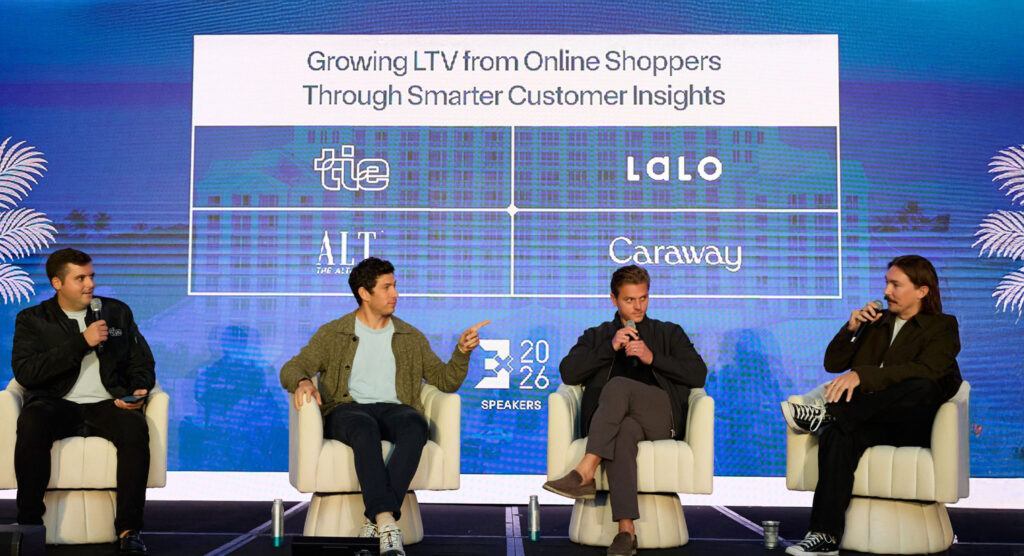
Growing LTV from Online Shoppers Through Smarter Customer Insights
At EEE Miami 2026, one theme kept surfacing across conversations, panels, and hallway chats: how do you gro...
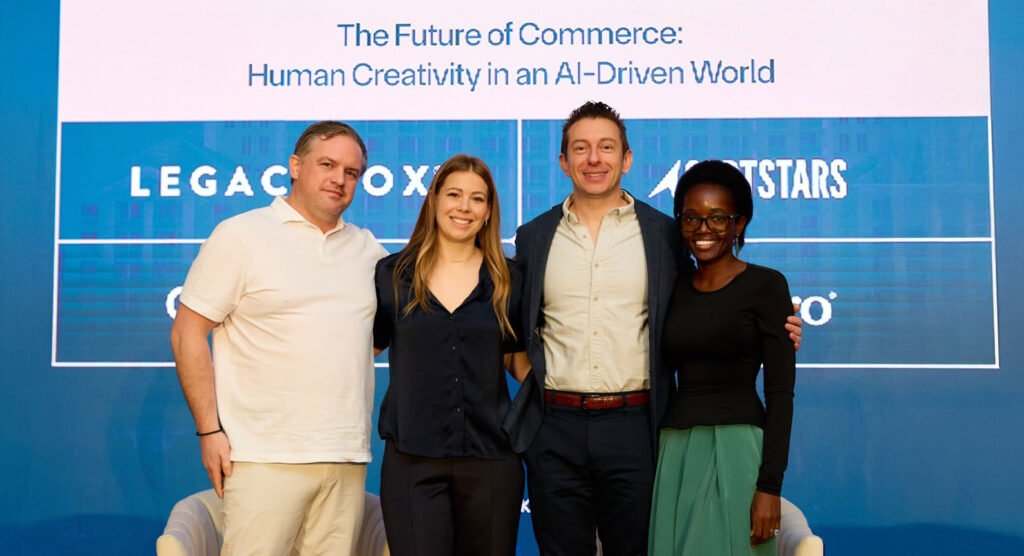
The Future of Commerce: Human Creativity in an AI-Driven World
At EEE Miami 2026, one of the most practical and honest conversations around AI in ecommerce didn’t revolve...
Is Your Ecommerce Website Ready for AI Agents? The New Frontier of Ecommerce SEO
For years, ecommerce optimization focused on two audiences: humans and search engines. Today, there is a th...
Building What Matters: The Founder’s Blueprint for Brand Longevity
In today’s ecommerce landscape, building a brand is easier than ever. Building one that lasts? That’s a com...
Social Feed
