

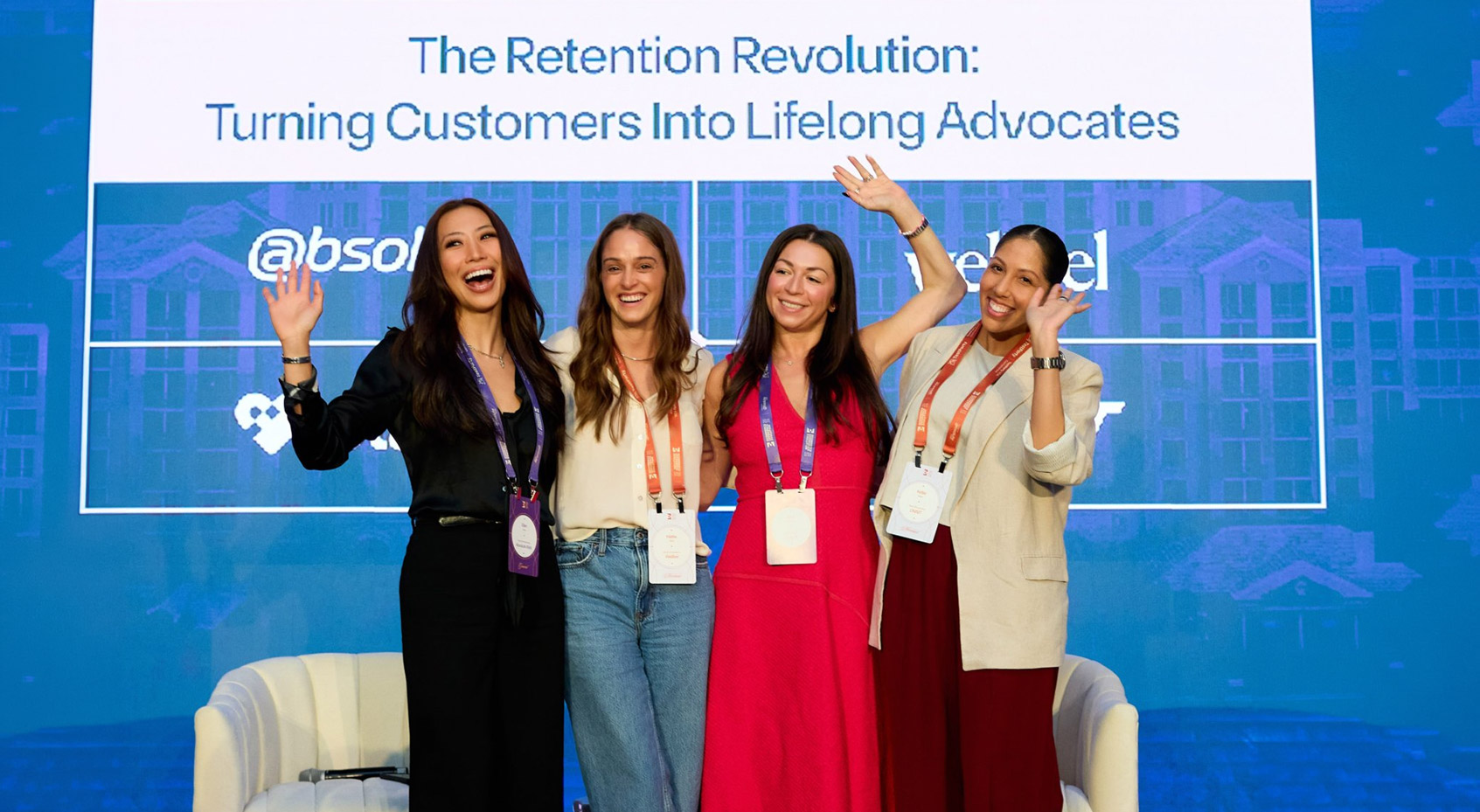
The Retention Revolution: Turning Customers Into Lifelong Advocates
At EEE Miami 2026, one thing became crystal clear: retention is no longer a back-end function. It’s the engine of modern ecommerce growth.
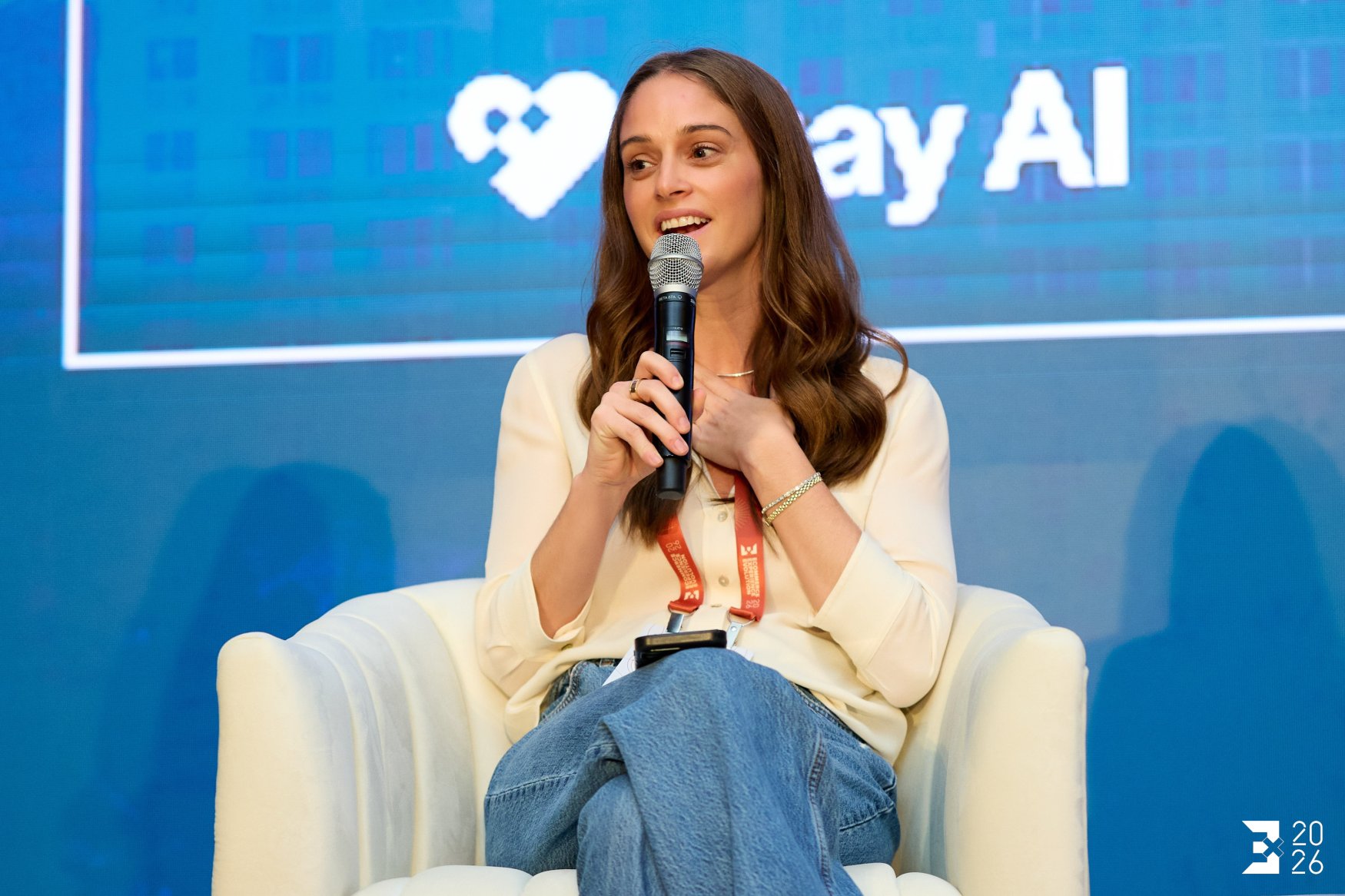
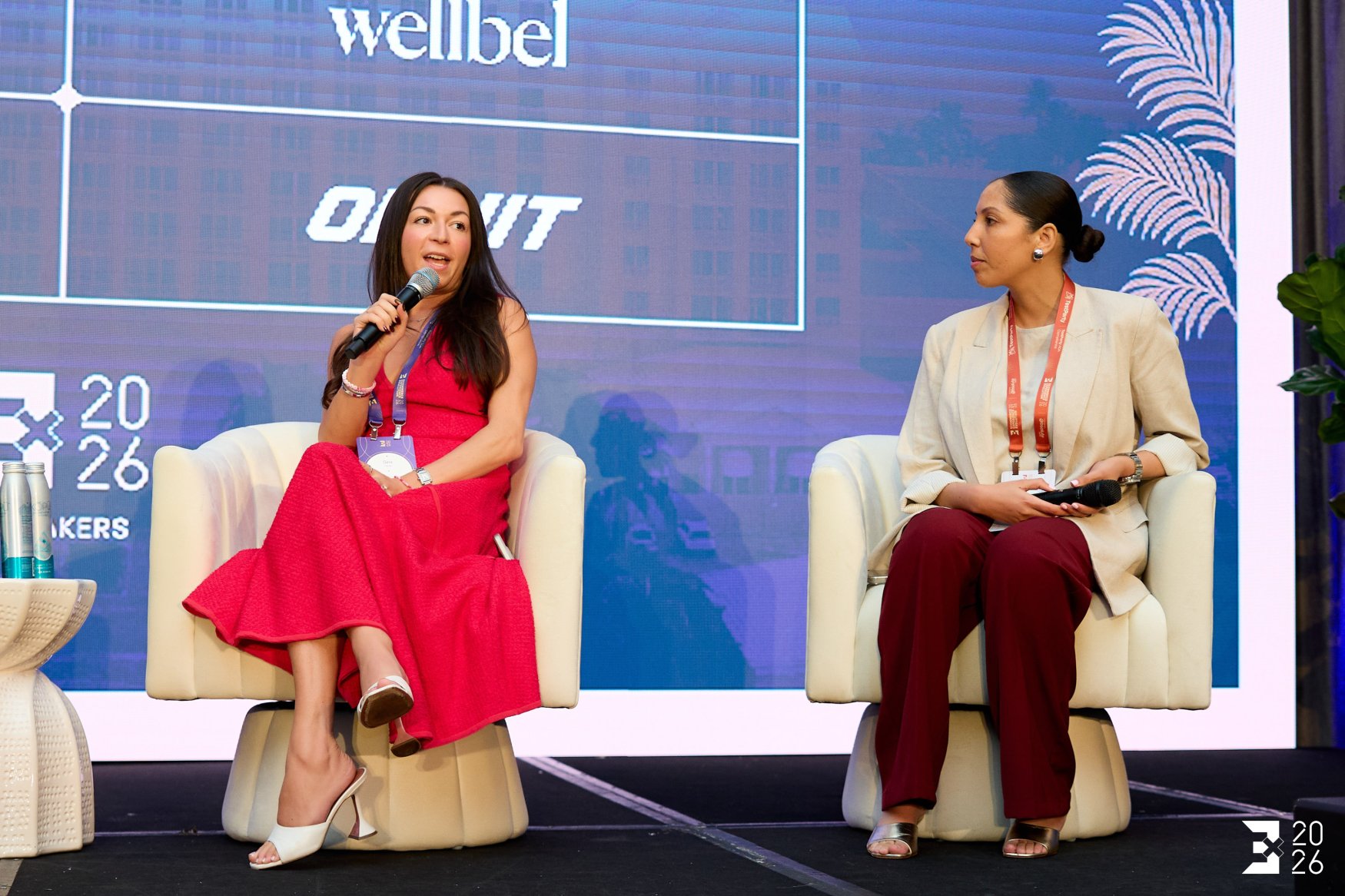
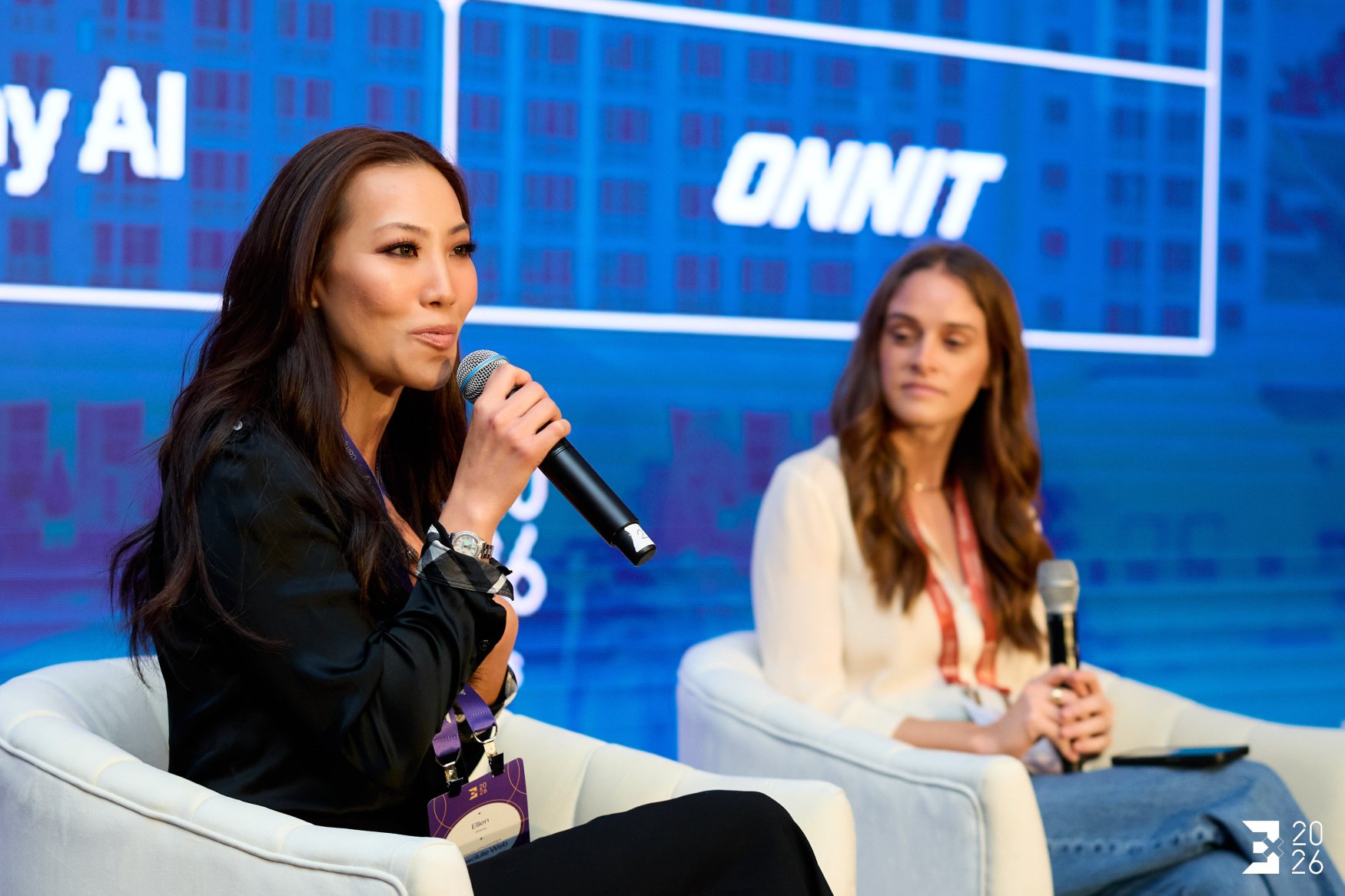
In a panel featuring Ellen Zhang, Hattie Gilpin, Gina Perrelli, and Kellie Bailey, the conversation unpacked a major shift: brands that win today aren’t just acquiring customers. They’re engineering loyalty from day one.
Here’s what that actually means in practice.
Retention Is No Longer “Nice to Have”
For years, retention was treated as something you optimize after acquisition. That mindset is dead.
Today, retention is a core growth lever that starts before the first purchase even happens.
One of the biggest mindset shifts discussed on stage was this:
- Don’t optimize for the first conversion
- Optimize for the lifetime value of the customer
That means being willing to make decisions that might slightly hurt short-term conversion but dramatically increase long-term revenue. A perfect example is subscription.
Defaulting to subscription on product pages isn’t just a tactic. It’s a strategy to acquire better customers, not just more customers.
Subscription Is a Growth Tool… If You Use It Right
Subscription has become one of the most powerful retention drivers in ecommerce, but it’s also one of the easiest to misuse.
Done right, it creates:
- Predictable revenue
- Higher lifetime value
- Stronger customer relationships
Done wrong, it creates:
- Fake demand
- High churn after order one
- Inventory and forecasting chaos
The key insight: not all subscribers are equal.
If customers are subscribing just for a discount and canceling immediately, you’re not building retention, you’re borrowing revenue.
Smart brands are:
- Testing subscription defaults on PDPs
- Aligning subscription cadence with actual product usage
- Designing onboarding flows that set realistic expectations
And most importantly, they’re measuring beyond just “active subscribers.”
Loyalty Looks Different Today
Five years ago, loyalty meant:
- Repeat purchases
- Active subscriptions
- Low churn
Today, it’s much more nuanced.
A loyal customer might:
- Skip orders instead of canceling
- Swap products based on lifestyle
- Add new items over time
- Adjust cadence to fit their needs
That’s not churn risk. That’s engagement.
Modern retention is about flexibility, not rigidity.
Brands that allow customers to control their experience are seeing stronger long-term relationships and higher revenue per user.
The Biggest Mistake: Over-Reliance on Discounts
If there was one thing everyone on the panel agreed on, it’s this:
Discounts are the easiest way to destroy your retention strategy.
Yes, they drive acquisition. But they also:
- Attract low-quality customers
- Train users to wait for deals
- Force you into endless discount cycles
Instead, high-performing brands are shifting toward:
- Surprise gifts
- Exclusive perks
- Product education
- Community-driven experiences
Customers don’t stay loyal because you’re cheaper.
They stay because you’re valuable.
Retention Starts Before the First Purchase
One of the most underrated insights from the panel was how much retention depends on expectation setting. Especially in categories like supplements, skincare, or wellness, results take time. If customers expect instant outcomes, they churn early.

Smart brands are solving this by:
- Educating customers pre-purchase
- Reinforcing expectations in onboarding flows
- Using real customer testimonials instead of brand claims
- Showing progress milestones over time
This isn’t just marketing. It’s retention engineering.
Data Is the Real Retention Advantage
Another major shift: brands are moving beyond surface-level metrics.
Instead of just tracking subscriber count, they’re focusing on:
- Payback period
- Net revenue retention
- Retention by cohort
- Retention by rebill
- Average order value growth over time
Because here’s the truth:
An “active” customer who skips every order isn’t actually valuable.
Retention today is about revenue quality, not just retention rate.
The Hidden Cost of Poor Retention
Most founders underestimate how expensive poor retention really is.
It’s not just churn. It’s:
- Wasted acquisition spend
- Bad forecasting decisions
- Overproduction and inventory issues
- Loss of critical customer insights
Even worse, poor retention breaks your feedback loop.
Without strong retention, you lose the ability to understand:
- Which products actually work
- Which customers are most valuable
- What messaging truly resonates
And that impacts every part of the business.
The Future: Retention + Acquisition = One System
One of the strongest themes from the panel was the need to break down silos.
Acquisition and retention teams can’t operate separately anymore.
They need to work as one system:
- Acquisition should target high-LTV customers
- Retention should inform acquisition strategy
- Product, marketing, and lifecycle should be fully aligned
Because the best growth strategy isn’t just getting customers in the door.
It’s getting the right customers and keeping them.
What This Means for Your Brand
If you’re building or scaling an ecommerce brand, the takeaway is simple:
Retention isn’t something you fix later.
It’s something you design from the start.
Focus on:
- Acquiring high-quality customers, not just volume
- Building flexible, customer-first subscription experiences
- Investing in education and expectation-setting
- Measuring real revenue impact, not vanity metrics
- Connecting acquisition, retention, and product into one loop
Because the brands that win in this next era won’t just have customers.
They’ll have advocates.
And that’s where real growth compounds.
To watch the full video:
https://eeemiami.com/video/the-retention-revolution-turning-customers-into-lifelong-advocates/

Promoted
EEE Miami 2027 – The Most Inspiring Ecommerce Conference

February 3-5, 2027 | Miami, FL
In-Person Event | Get Tickets

More Articles

DoorDash Launches Native Shopify Integration: What It Means for Local Retailers
DoorDash and Shopify are making it easier for local retailers to meet a growing customer expectation: getti...
Building Trust, Community & Emotional Loyalty in Digital Commerce
At EEE Miami 2026, one of the most refreshing conversations wasn’t about ad hacks, funnels, or scaling spen...
Shopify Spring 2026 Editions: What Ecommerce Brands Should Prioritize Next
Shopify’s Spring 2026 Editions is more than another product release. It is a clear signal of where ecommerc...
Supplement CRO: The 4-Pillar Testing Framework for Shopify Supplement Brands
Most supplement brands do not have a traffic problem. They have a conversion clarity problem. The category ...
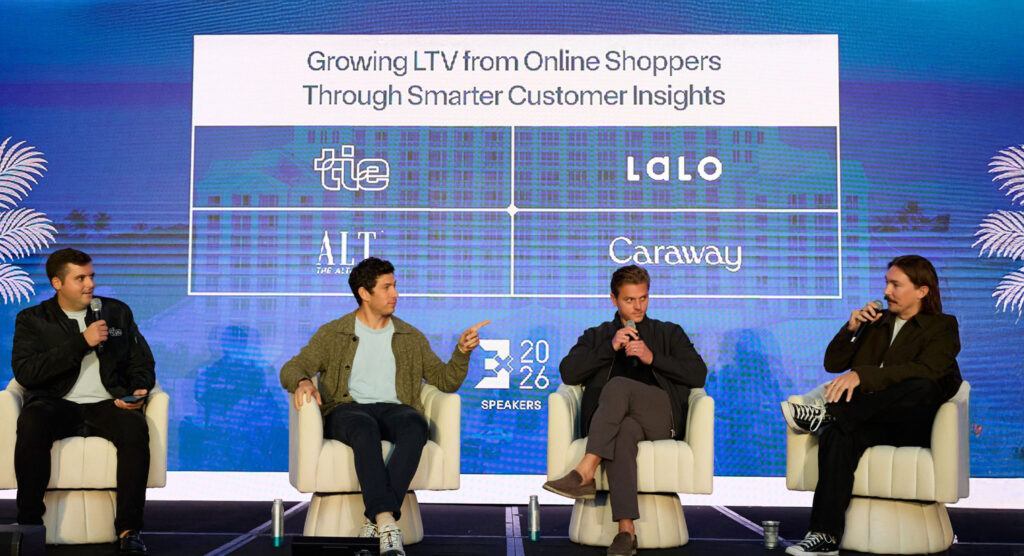
Growing LTV from Online Shoppers Through Smarter Customer Insights
At EEE Miami 2026, one theme kept surfacing across conversations, panels, and hallway chats: how do you gro...
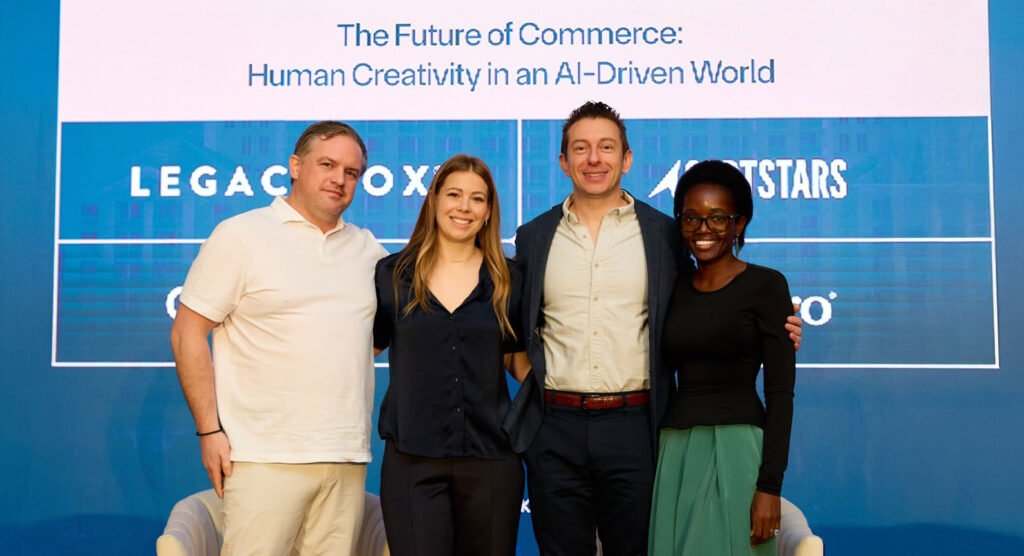
The Future of Commerce: Human Creativity in an AI-Driven World
At EEE Miami 2026, one of the most practical and honest conversations around AI in ecommerce didn’t revolve...
Is Your Ecommerce Website Ready for AI Agents? The New Frontier of Ecommerce SEO
For years, ecommerce optimization focused on two audiences: humans and search engines. Today, there is a th...
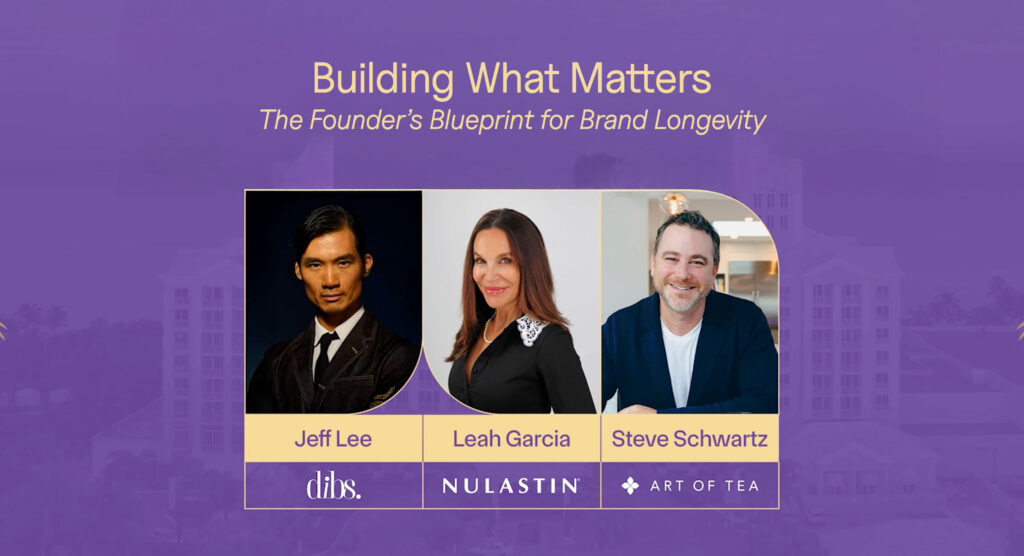
Building What Matters: The Founder’s Blueprint for Brand Longevity
In today’s ecommerce landscape, building a brand is easier than ever. Building one that lasts? That’s a com...
Social Feed
