



OpenAI’s Atlas Browser Is About to Rewrite the Rules of Digital Commerce
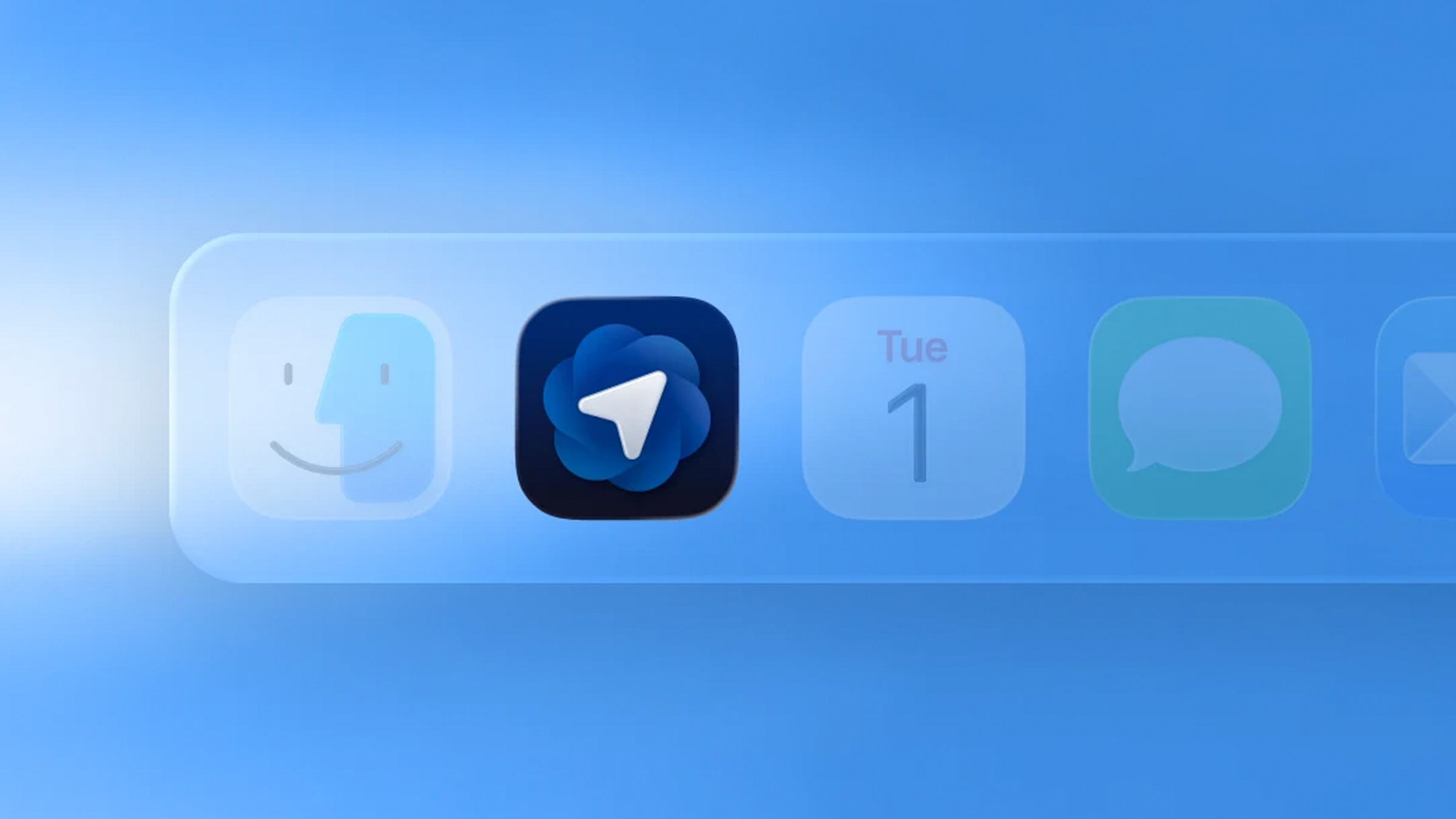
OpenAI has officially unveiled ChatGPT Atlas, a new AI-powered web browser launching first on macOS. This marks OpenAI’s most direct step into the browser wars, pitting it against Google’s Gemini-powered Chrome, Microsoft Edge’s Copilot Mode, and Perplexity’s Comet browser.
But beyond the headlines, this move could reshape how consumers discover, interact with, and purchase from brands online.
The Next Evolution: From Search to Agentic Commerce
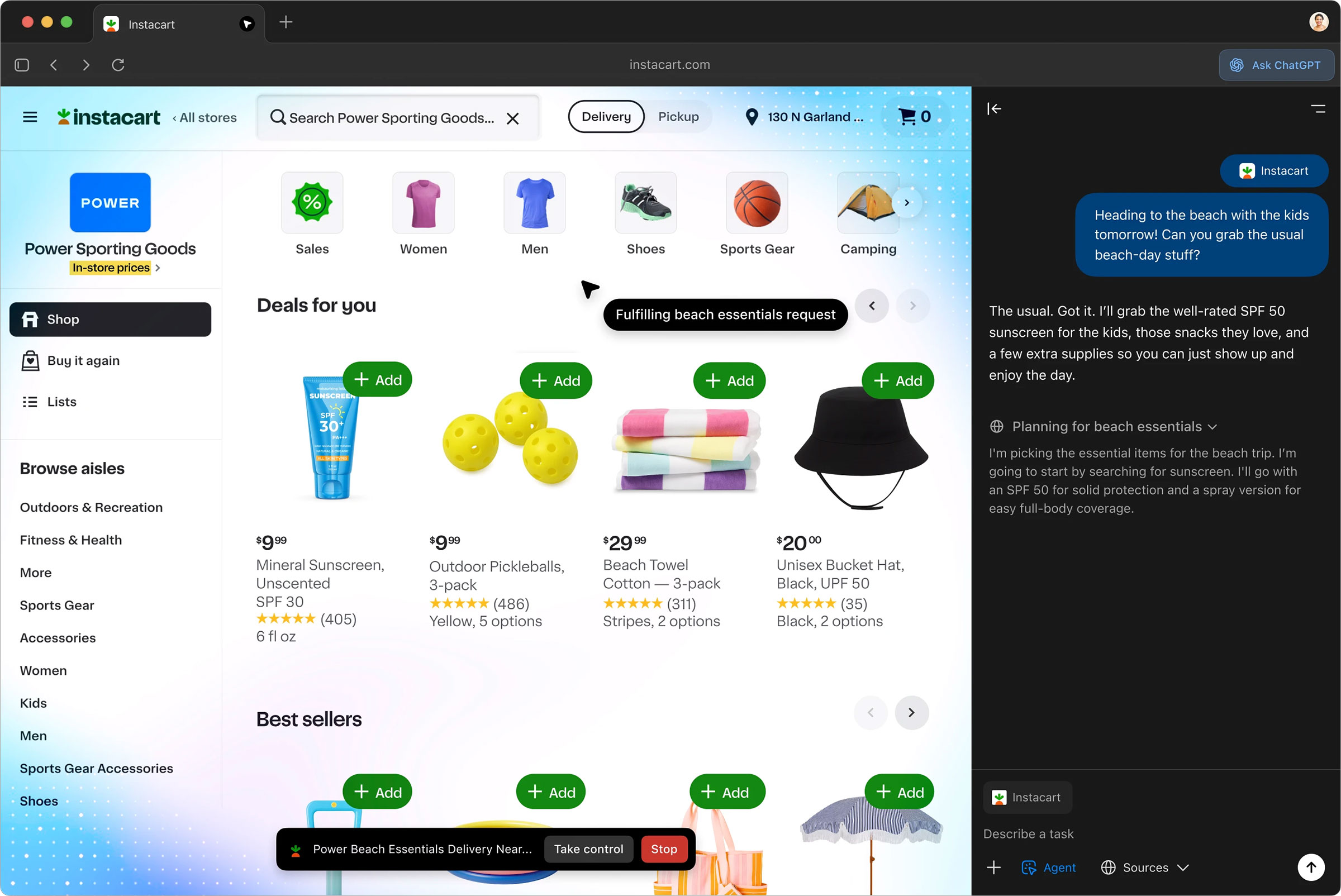
Unlike traditional browsers, ChatGPT Atlas integrates OpenAI’s Operator AI directly into browsing—enabling users to perform tasks like booking reservations, completing forms, or even purchasing products with conversational commands.
For example:
“Find me a lightweight rain jacket under $200 that ships today.”
The browser could autonomously identify matching products, compare reviews, and complete the checkout—reducing friction in the buying process.
Implication for Brands:
- Product data must be agent-readable. Schema markup, structured product feeds, and live inventory APIs will become critical.
- Discovery will happen inside the browser, not on your website.
- Checkout experiences must be seamless (platforms like Shopify, BigCommerce, and WooCommerce will need native integrations).
SEO and Visibility in an AI-First Web
If Atlas becomes the go-to browsing interface, traditional SEO metrics, rankings, impressions, and clicks, may give way to AI visibility. Your product may not appear as a blue link, but as a “smart card” or recommendation snippet inside the conversation.
What This Means for SEO Teams:
- Prioritize structured data, FAQ schemas, and trust signals (reviews, sustainability tags, return policies).
- Optimize for natural-language and contextual queries, not just keywords.
- Monitor new forms of “agent impressions” and conversational search traffic.
What Atlas Doesn’t Touch Yet: Paid Search
It’s important to note what Atlas is not doing right now: it isn’t replacing paid search advertising.
For all the excitement around AI-native browsing, the paid search market is still dominated by Google. As of today, if you want high-intent, bottom-of-funnel traffic at scale, Google Ads remains the primary performance channel. The landscape is evolving quickly, but in practical terms, search ads on Google are still where a lot of revenue-focused campaigns live and die.
That also means the fundamentals haven’t changed:
- You still need relevant, tightly structured campaigns.
- You still need landing pages that match intent and convert.
- You still need accurate conversion tracking and value signals flowing back into the platform.
While Atlas is redefining how users browse and buy, tools like dynares focuses on the performance layer you control today, helping teams generate per-keyword landing pages and ads for Google search, improve Quality Score, reduce CPC, and push conversion data back into the system so you’re optimizing for revenue, not just clicks.
In other words: Atlas may shape the future of discovery, but for now, the most reliable paid search engine of growth is still Google, and having the right stack around it is how you stay competitive while the ecosystem shifts.
Shopify and ChatGPT: A Potentially Game-Changing Integration
Shopify is already moving toward AI-native commerce with smart product recommendations, semantic search, and automation. If ChatGPT Atlas opens an integration layer, Shopify merchants could soon allow direct in-browser checkout via ChatGPT itself, turning discovery and purchase into one unified flow.
Imagine a user saying:
“Order two bottles of SWANSON mutlivitamins for Friday delivery.”
ChatGPT could process the request, verify stock via Shopify’s API, and finalize payment, no external tab needed. Read more about integrating Shopify, Etsy products into ChatGPT here.
For merchants, this means:
- Ensuring product data and pricing are synced in real time.
- Building ChatGPT-optimized prompts or extensions for product discovery.
- Leveraging OpenAI-Shopify integrations to measure agent-driven conversions.
Redefining Brand Experience
As AI intermediates more interactions, brand identity will rely less on web design and more on structured storytelling, how your values, reviews, and customer care appear when summarized by an AI agent.
Action Steps for Brands:
- Strengthen your brand narrative and social proof, AI will surface it automatically.
- Treat returns, reviews, and delivery transparency as SEO assets.
- Ensure your post-purchase experience (emails, tracking, packaging) feeds positive signals back to the ecosystem.
The Takeaway
ChatGPT Atlas isn’t just another browser, it’s a paradigm shift toward agent-driven, conversational commerce. For agencies, retailers, and brands, the priority now is AI readiness: structured data, platform APIs, and brand consistency across automated interfaces.
At Absolute Web, we’re already helping brands prepare for this next wave, optimizing feeds, integrating APIs, and future-proofing customer experiences for the AI-native web. Contact us today.


More Articles
ChatGPT 5.4 and “Thinking Mode”: What Ecommerce ...
OpenAI recently introduced GPT-5.4, the latest upgrade powering ChatGPT and…
Read more
Shopify Deprecates Legacy Customer Accounts. Here’s What ...
Shopify has officially marked Legacy Customer Accounts as deprecated. This…
Read more
How Strategic CRO Helped Nulastin Increase Subscriber ...
Subscription brands don’t win by chasing one-time conversions. They win…
Read more

EEE Miami 2026: The Conference That’s Redefining ...
If you’ve been in ecommerce long enough, you know most…
Read more
How Subscription Data Is Powering the Next ...
Ecommerce UX has traditionally been built around a single moment:…
Read more
Top 20 Shopify Winter ’26 Updates Every ...
Our strategic take on the most important changes from Shopify’s…
Read more
ChatGPT Shopping Research: What It Means for ...
OpenAI just released ChatGPT Shopping Research, and it’s quietly becoming…
Read more
The Best Ecommerce Conferences and Marketing Events ...
Your guide to the most impactful, innovative, and ROI-positive events…
Read more
Social Feed
