



How Subscription Data Is Powering the Next Era of Ecommerce UX
Ecommerce UX has traditionally been built around a single moment: the first purchase. Brands invest heavily in optimizing product discovery, checkout flows, and conversion paths, all in service of getting customers across the finish line.
But as subscriptions and repeat purchasing become core to ecommerce growth, that moment is no longer the most important one. Research from Bain shows that increasing customer retention rates by just 5% can boost profits by up to 95%, which underscores how much long-term value now lives beyond checkout.
This shift is changing how modern ecommerce experiences are designed. Brands interested in improving customer retention – and with it, improving their margins – must now focus on the post-purchase journey. Think of this as the part where customers manage orders, adjust preferences, and decide whether the relationship continues.
In this environment, subscription data becomes a critical UX input, enabling more personalized, intuitive, and responsive experiences over time. For scaling DTC brands, this evolution represents a fundamental shift in how experience, data, and systems work together – with subscriptions at the center of the next era of ecommerce UX.
Why Subscriptions Shift UX Beyond Checkout
Subscriptions change the way customers evaluate ecommerce experiences. Instead of making a one-time decision at checkout that ends at the purchase, subscribers reassess value every time they interact with the brand.
That means UX doesn’t stop once an order is placed. It extends into post-purchase moments like managing delivery schedules, adding additional products to their subscriptions, and swapping items.
For subscription brands, post-checkout UX directly impacts retention and lifetime value. A polished checkout experience can be quickly undermined by a confusing customer portal or a rigid subscription management flow. When customers feel in control, trust increases. When they don’t, churn follows.
This is why subscriptions force a shift in UX thinking. Ecommerce is no longer a linear funnel with a firm endpoint, aka from product page to conversion. It’s an ongoing experience that must adapt to customers over time.
Treating Subscription Data as a UX Input
Subscription data is often treated as a reporting layer – something teams review after churn has already happened. But for modern ecommerce brands, that data is far more valuable as a real-time UX signal.
Unlike one-time purchases, subscriptions generate continuous behavioral insight, like:
- Product swaps
- Items added-on
- Frequency changes
- Skipped orders
- Subscriber churn
Investigating these signals shows where customers are encountering friction, uncertainty, or shifting needs.
When subscription data is used as a UX input, it changes how experiences are designed and delivered. Instead of static flows, brands can create interfaces that respond to customer behavior as it happens.
For example, with Stay AI, a brand can break down their churn rate by SKU. So even if their overall churn rate appears low, they can dive deeper to uncover that flavor A has a higher churn rate than flavor B. This suggests that the brand should adjust messaging and UX design to highlight flavor B earlier in the subscriber experience and make it as easy as possible to swap from flavor A (e.g. emails with one-click Quick Actions to adjust order). This improves customer satisfaction from the start and reduces the likelihood of churn.
This shift moves subscription UX from reactive to proactive. Rather than analyzing churn in dashboards weeks later, teams can design experiences that reduce friction before customers reach a breaking point. Post-purchase journeys become more intuitive, more personalized, and better aligned with how subscribers actually behave.
The Customer Portal Becomes the New UX Front Door
The customer portal is one of the most frequently visited and most influential parts of the post-purchase subscriber experience.
This is where subscribers manage their ongoing relationship with the brand, often at moments of change or hesitation. The way the portal is designed can either reinforce trust and value, or quietly introduce friction that leads to churn.
Best practices for designing a more user-friendly subscription portal include:
- Design the portal as a true extension of the brand: The portal should visually and tonally match the rest of the site experience. At Stay, their retention marketing tools let brands control the layout, components, and entire flow to help reinforce subscriber familiarity and trust
- Organize the experience around subscriber behavior: Portal layouts should reflect what subscribers actually do most often, not default templates. Prioritize commonly used actions (like adding on products) and test layout changes over time to improve engagement, boost AOV, and reduce friction
- Balance flexibility with focus: Subscribers value control, but too many choices at once can overwhelm them. Surface the most relevant actions and limit unnecessary complexity to make subscription management feel approachable instead of burdensome
- Use the portal to reinforce value, not just functionality: The portal isn’t just for logistics. It’s an opportunity to remind subscribers why they joined, whether through product education, program benefits, or timely reminders of exclusive value
- Create natural opportunities for low-friction add-ons: When thoughtfully designed, the portal can support incremental growth through curated recommendations, or contextual prompts, without feeling intrusive or sales-driven
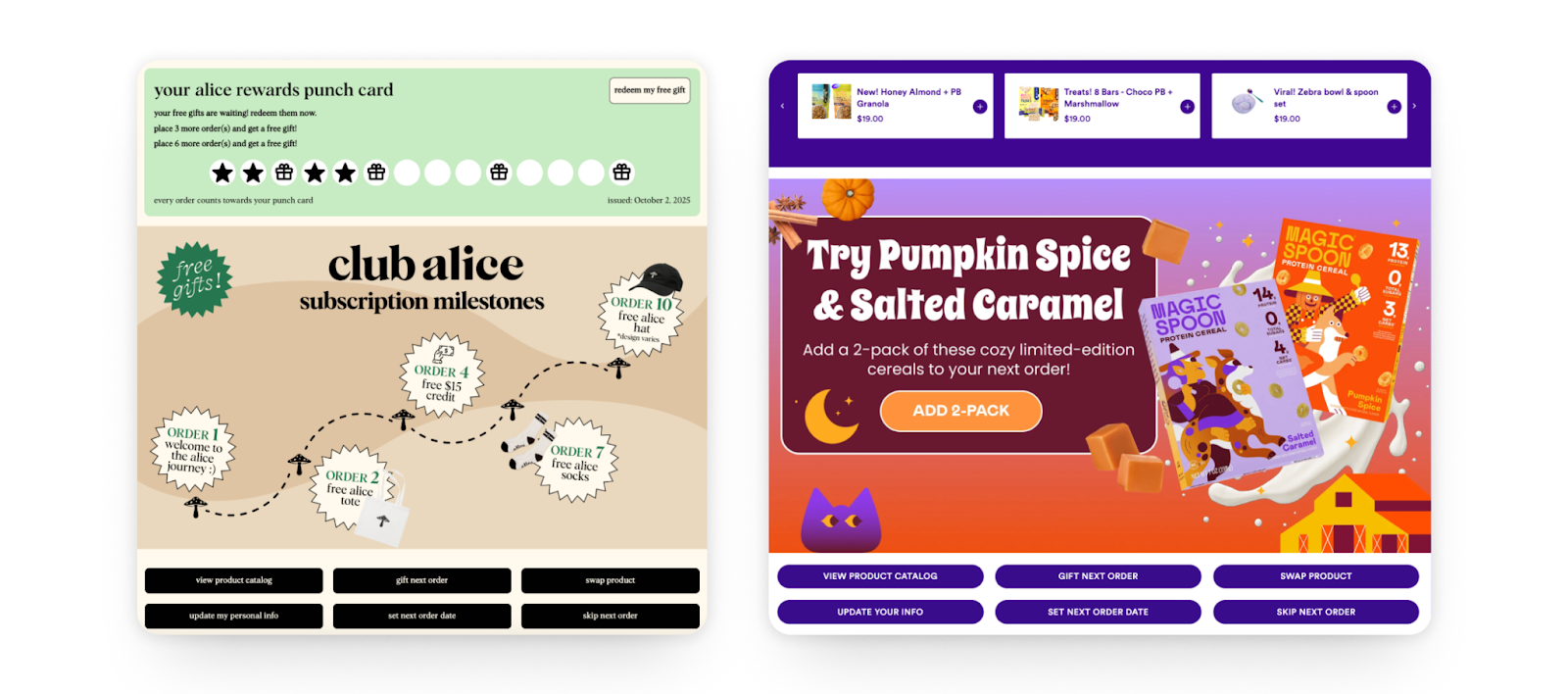
When these principles are applied, subscription management feels intuitive and empowering. When they’re ignored, even simple tasks can create frustration that compounds over time.
Designing for Intent: From Static UX to Adaptive Experiences
Traditional ecommerce UX assumes every customer wants the same outcome. Subscribers, however, arrive at moments of change with very different intent, and designing a static experience for all of them is where friction begins.
Adaptive subscription UX is designed around intent, not assumptions:
- New subscribers need reassurance, education, and clarity
- Long-term subscribers value speed, efficiency, and flexibility
- At-risk subscribers need resolution, not resistance
This is where subscription data becomes a design asset. Behavioral signals like skipped orders, engagement patterns, or frequency changes allow brands to dynamically adjust messaging, options, and incentives based on context.
Using Subscriber-Level Data to Inform Design
Platforms like Stay AI make this possible by turning behavioral data into real-time experience logic.
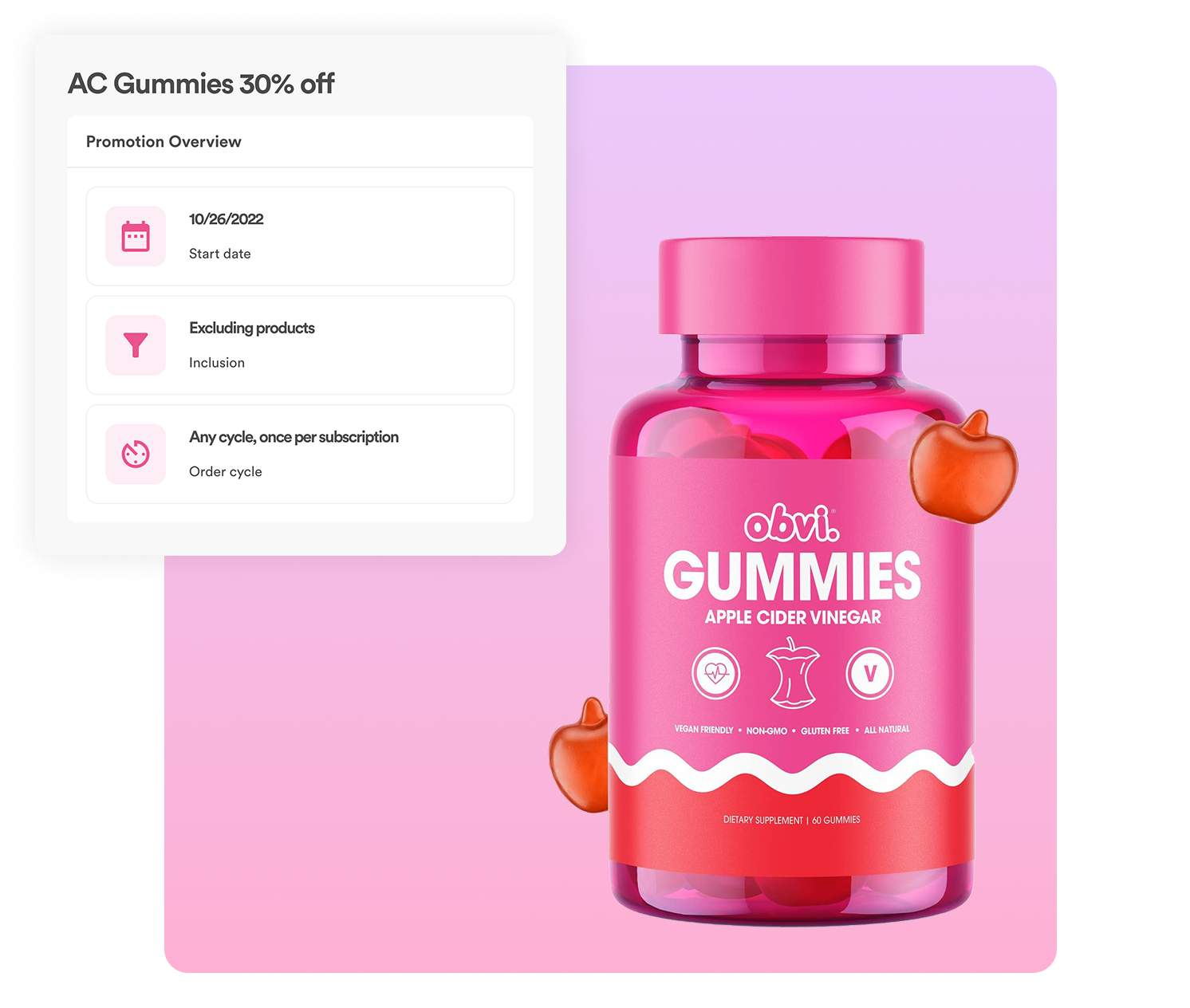
ExperienceEngine, for example, lets brands test and refine personalized promotions, from gifts to discounted offers, based on subscriber behavior and churn risk. The machine learning running in the background then adapts the offers intelligently over time. Instead of guessing what will resonate, teams can use predictive insights and A/B testing to deliver the right incentive at the right moment, shaping experiences that proactively reinforce value before churn occurs.
If subscribers do move toward cancellation, RetentionEngine ensures the experience remains intentional and informed. By capturing cancellation intent and pairing it with personalized, context-aware rebuttals, brands can respond to why a customer is leaving – not just the fact that they are. Then the AI continues optimizing the process, showing the offers more likely to convert based on context clues like duration subscribed, products subscribed to, and how other similar subscribers behaved. This creates a feedback loop in which cancellation data continuously improves UX decisions, turning save flows into learning systems rather than one-time interventions.
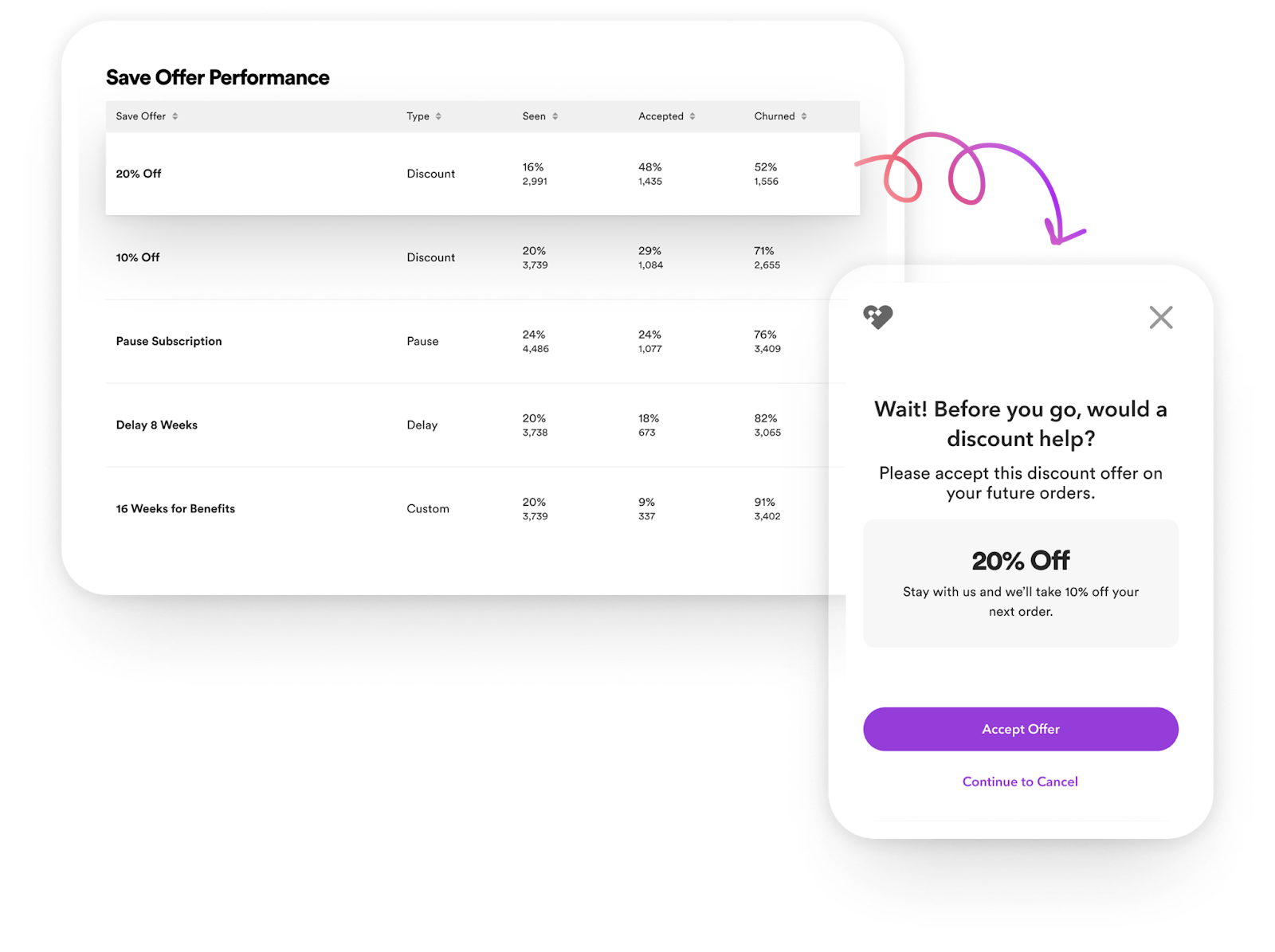
Designing for intent marks a clear shift in ecommerce UX. Static flows give way to adaptive systems, and retention becomes the natural outcome of better experience design.
The Future of Ecommerce UX Is Relationship-Driven
The next era of ecommerce UX won’t be defined by faster checkouts or more polished product pages. It will be defined by how well brands design for ongoing relationships.
Subscriptions bring that reality into focus. They shift the most important UX moments beyond the point of purchase and turn everyday interactions into opportunities to reinforce value, build trust, or quietly lose it. In this environment, subscription data becomes a foundation for better experience design.
For DTC brands scaling subscriptions, the challenge is no longer whether to invest in UX, but how deeply experience, data, and systems are connected. Brands that succeed will be the ones that design adaptive, intent-driven experiences that evolve with their customers over time.
Turning Subscription Data Into Measurable Retention Gains
At Absolute Web, we see subscription UX as one of the most under-optimized growth levers in ecommerce. Many brands invest heavily in acquisition and checkout optimization, but leave post-purchase and subscription experiences fragmented across tools, templates, and internal teams. That disconnect is where churn quietly compounds.
Our point of view is simple: subscription data should not live in silos or dashboards alone. It should actively shape how experiences are designed, personalized, and delivered across the entire customer lifecycle.
This is where we help brands bridge the gap between strategy, data, and execution.
We work with scaling DTC and enterprise brands to design subscription-first experiences that are:
- Data-informed by design, using real subscriber behavior (skips, swaps, frequency changes, churn signals) to guide UX decisions
- System-aware, ensuring subscription platforms, ecommerce infrastructure, CRM, and retention tools work together instead of against each other
- Experience-led, translating insights into intuitive customer portals, adaptive flows, and low-friction moments that reinforce value
From auditing subscription journeys and customer portals to implementing and optimizing platforms and custom middleware, we focus on making retention a byproduct of better experience design, not a last-minute save tactic.
The brands that win with subscriptions are not the ones adding more popups or incentives. They’re the ones designing experiences that evolve with their customers and feel intentional at every touchpoint.
That’s the future of ecommerce UX, and it’s where Absolute Web helps brands move from reactive retention to relationship-driven growth.

More Articles
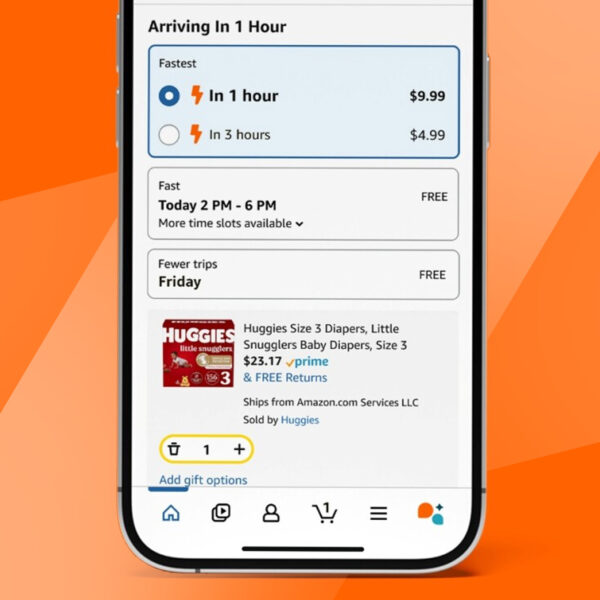
Amazon Is Rewriting Delivery Expectations. Again. Ecommerce ...
Amazon just raised the bar again. With the rollout of…
Read more

ChatGPT 5.4 and “Thinking Mode”: What Ecommerce ...
OpenAI recently introduced GPT-5.4, the latest upgrade powering ChatGPT and…
Read more
Shopify Deprecates Legacy Customer Accounts. Here’s What ...
Shopify has officially marked Legacy Customer Accounts as deprecated. This…
Read more
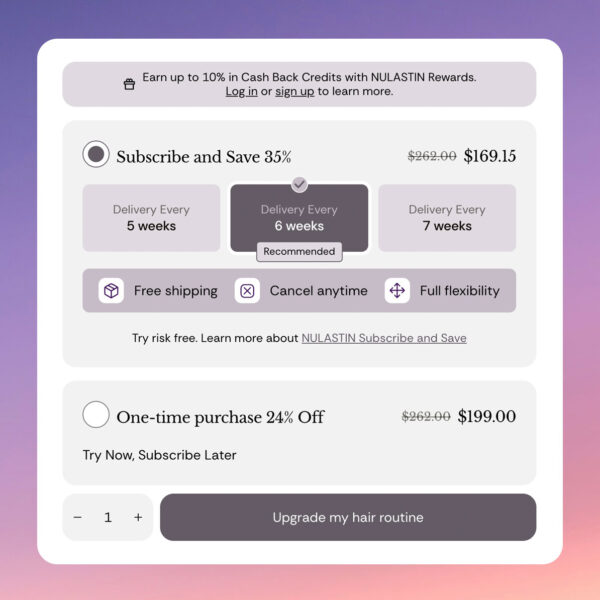
How Strategic CRO Helped Nulastin Increase Subscriber ...
Subscription brands don’t win by chasing one-time conversions. They win…
Read more

EEE Miami 2026: The Conference That’s Redefining ...
If you’ve been in ecommerce long enough, you know most…
Read more

Top 20 Shopify Winter ’26 Updates Every ...
Our strategic take on the most important changes from Shopify’s…
Read more

ChatGPT Shopping Research: What It Means for ...
OpenAI just released ChatGPT Shopping Research, and it’s quietly becoming…
Read more
The Best Ecommerce Conferences and Marketing Events ...
Your guide to the most impactful, innovative, and ROI-positive events…
Read more
Social Feed
